Showing posts with label SLP. Show all posts

Tuesday, March 4, 2025

Communication Corner: Why PECS Still Works


Do people still use the Picture Exchange Communication System (PECS)? This was once a popular evidence-based communication intervention but it seems to be a thing of the past. But don’t throw away your PECS manual! There may be a student who still needs this approach. In this post, our Speech and Language Pathologist, Carol Dittoe, will give her feedback on the use of PECS.


As the speech pathologist on the Autism and Low Incidence Coaching Team (ACT), Isometimes asked about my thoughts on the use of PECS.  I want to be clear that PECS is a specific and trademarked system that follows a very detailed protocol that requires training from a Pyramid Educational Consultant. I have been through the formal training but I have also adapted it when needed (so I can no longer officially call it PECS). For more information visit the official PECS website  In today's Communication Corner, I will provide my thoughts about the use of PECS which are based on many years of experience and observations.


  • PECS is more than just using Pictures. PECS is the use of picture EXCHANGE. The E in PECS means exchange. Sometimes when you start with an AAC device, especially a dynamic device, the student focuses on the technology only and does not acknowledge the communication partner.  If the learner is able to see and manipulate a picture, they can develop joint attention by exchanging the picture with a partner to gain the desired item. If they love technology, use picture exchange to request the iPad. 


  • PECS is not always my first option for Augmentative and Alternative Communication (AAC). It is not a prerequisite of AAC. It depends on the needs of the learner. If the learner has good joint attention and is already showing some use of pictures to communicate, I will move on to an AAC device or a static picture-supported communication system that is much more robust.  If the learner does not demonstrate joint attention and does not engage with pictures for communication, PECS is a great way to teach these foundational skills.


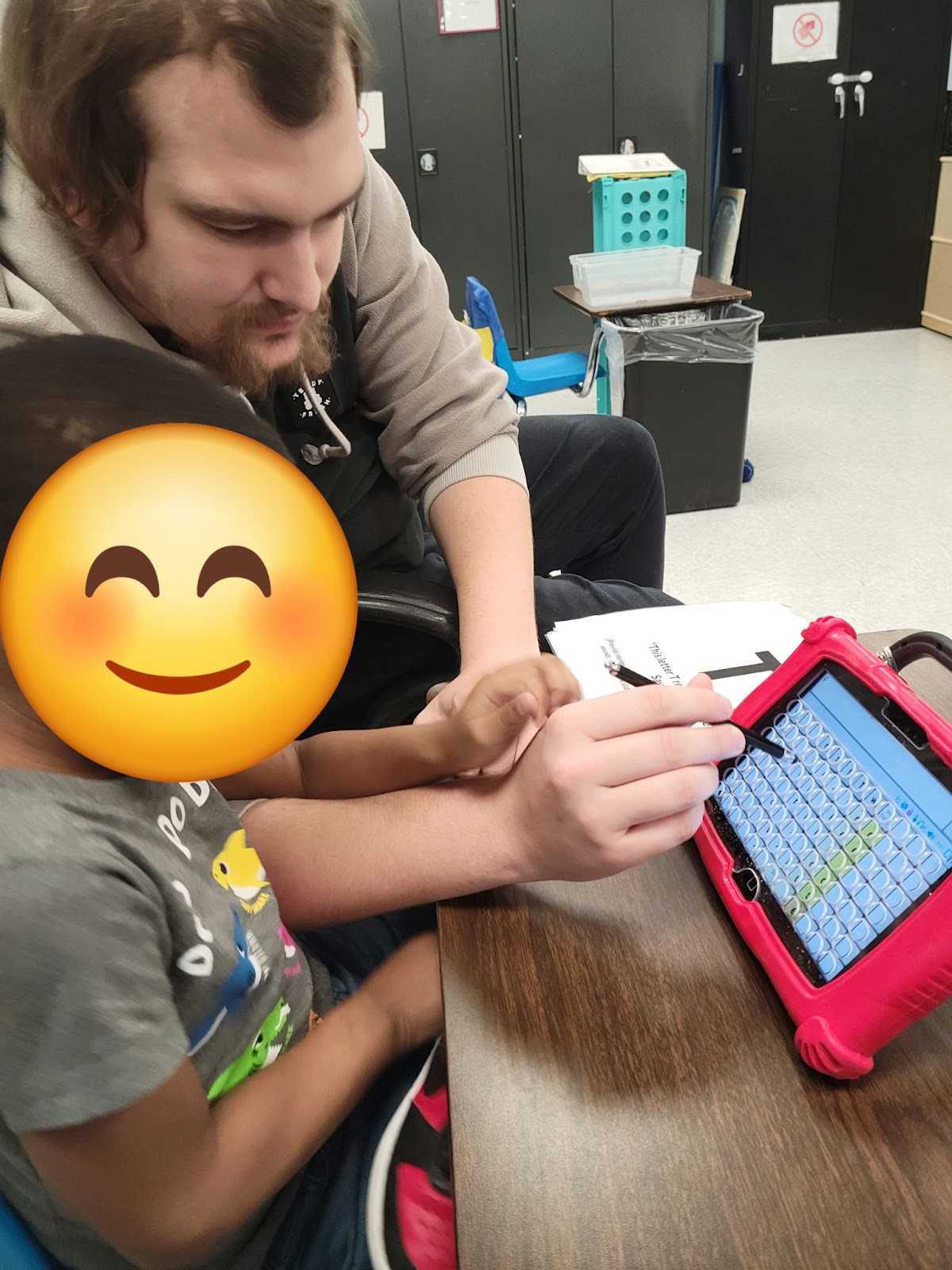
  • The first phase of PECS is to teach the initiation of a picture exchange. I love the focus on initiation and feel it is important to avoid developing prompt dependency. You are not supposed to use any verbal prompting. You are to entice the learner rather than prompt them. The use of a second person acting as the physical prompter during Phase 1 is not the same as facilitated communication (if you are doing it correctly). Some people have expressed concern that having a physical prompter is taking away the learner’s autonomy. In my experience with PECS, I am following the lead of the learner by watching for their initiated reach and using physical prompting to shape the reach for an item down to the picture to facilitate the picture exchange. Typically, I only need to use physical prompting for the first few requests before the learner understands how to give the picture to the communication partner to obtain the desired item. The goal is to fade any prompting as quickly as possible.


  • Typically, when using PECS, I focus on the first 3 phases to focus on the development of joint attention, initiation, persistence, and picture discrimination. Here are the first 3 phases of PECS:

  1. Teaching the exchange with a single picture

  2. Teaching the exchange with a single picture, adding distance, and generalizing the skill across people and environments

  3. Teaching picture discrimination between 2 or more pictures (I spend a lot of time at this phase to continue generalizing across settings and people for a variety of items)


  • The strategies in these first 3 phases will make sure the learner takes the responsibility of exchanging the request with the right communication partner. Have you seen a student using a device and repeatedly hitting the button without getting the attention of anyone? It’s almost as if they think it is a magical button that will get them what they want (who needs people?) Even if a team is not using PECS, I may refer them to some of the strategies from PECS to teach initiation, joint attention, and traveling. Traveling is when the learner must travel to get the picture and then travel to give the picture to the right person. This is an important skill weather your student is using pictures or a device. You want to make sure the student is exchanging information with a partner and not just interacting with a device.


Nancy Cera
Brookville Elementary, Brookville


  • When teams are struggling to teach picture discrimination, I often refer them to the PECS manual Phase 3 for some great ideas for teaching, assessing, and reinforcing picture discrimination. Picture discrimination is critical if you plan to use any kind of picture-supported communication. 


Amy D'amico
Learning Center North, MCESC

Watts Middle School, Centerville

  • Phase 4 of PECS is sentence structure. This is where you add the “I want__”. Once I have developed strong joint attention and the learner can discriminate between many pictures across environments, I may start to transition to other more robust systems and introduce core words. 


Sara Moore
Bell Creek Intermediate, Bellbrook


  • While I am a big fan of teaching core words, some students need to start with more concrete language using highly motivating nouns for exchange. The first 3 phases of PECS will focus on the use of highly preferred items. These nouns are considered fringe words (ball, chip, iPad) and are used in a very concrete way to teach the power of pictures for communication. Core words are introduced in phases 4-6 and can be more abstract but are used more frequently in our language and can be combined to have many different meanings. (I, want, see). Descriptive words are also introduced in Phase 4. 


  • If you believe your student needs more of a Gestalt language approach, you can use the strategies of PECS to teach the foundational skills (exchange, initiation, traveling, discrimination) while introducing core words. I like the use of Aided Language Stimulation, a strategy that focuses on the frequent modeling of words on a core board without expecting the learner to respond. This can be done on a static core board or an AAC device. This combination goes against the PECS protocol but if you are not formally using PECS, you can still use many of the PECS strategies to meet the needs of your student. 


Remember, any approach you take to developing functional communication must meet the specific and unique needs of the learner. Get to know your student and ask yourself the following questions to determine if your student would benefit from the strategies of PECS:

  • Do they struggle with joint attention and initiation?

  • Are they highly distracted by technology only focusing on the device and not the partner? 

  • Are they destructive by often throwing or pounding on a device? 

  • Are they unable to use pictures in a meaningful way or discriminate between pictures?

  • Do they rely on others to initiate the use of the device and travel with the device to get the message to the right person?


There are so many factors to consider when choosing the communication mode and strategies to try. Collaboration between the classroom team, SLP, family, and outside therapy is needed. The most important thing is that you try something! You can visit these resources to get more information and assistance when assessing your student’s communication and AAC needs:


PECS is an evidence-based practice. Here is a link to ASHA’s AAC Evidence Map and PECS Evidence-Based Practice Review


Tuesday, December 17, 2024

A-LIST Spotlight: Speech and Language Pathologist America Swartzel from New Lebanon Local Schools

America Swartzel is the speech pathologist at Dixie Elementary and Middle School in New Lebanon. She is always so positive and knows how to engage with her students. We have seen America connect with some of the most challenging students and facilitate meaningful use of AAC, encouraging implementation across settings. We also love that she educates herself on the perspectives of neurodiverse individuals to make sure her goals and strategies are respectful of their unique differences and abilities. America is a great team player and demonstrates the ability to collaborate with others to support shared goals. We are excited to feature America today on our A-LIST Spotlight! Read below to learn more about America and the supports she implements for her students.

My name is America Swartzel and this is my 13th year at New Lebanon Local Schools, where I service all three buildings–grades 1 through 12+. The 2023-2024 school year was a big one for me, as I was honored to be selected as part of the A-List and was named Teacher of the Year in my district! My true passions in this field lie in the areas of Autism and AAC. When working with my students, I strive for neurodiversity affirming therapy practices. This is an area that is constantly evolving and it is crucial for us,as clinicians, to listen to Autistic voices and to have a willingness to change and grow our skills accordingly.


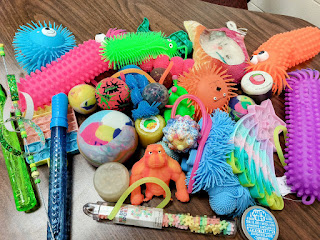
My number one goal with my Autistic students is to build strong relationships. I do this by ensuring that my sessions are child-led and as sensory friendly as possible. Although my therapy space doesn’t allow for all of the sensory items I would like, I am never short on fidgets, squishies, and visual sensory toys like bubbles and spinners. I offer those items, as well as physical input (deep pressure, rocking, etc) to my students freely during every session. My students know that sensory items and activities are not something that they need to work for–we never work to meet our sensory needs!


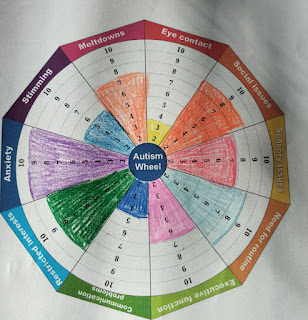
I think it is so important for kids to understand their brains and to embrace the differences that make each one unique. Some of my students have really enjoyed learning about the Autism spectrum wheel. We discuss each section and then they color in a blank wheel based on how they view their own Autistic characteristics!


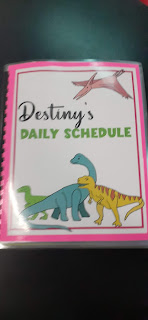
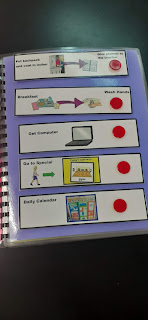
Because most of my students have varied special interests, I try my best to incorporate their interests into as many visuals as possible. Here are some of the visuals I have made for my students.

A visual schedule for a student who loves dinosaurs:


I have one student who speaks so softly in class that it is very difficult to hear her. Since she loves The Little Mermaid, I created this visual to help her teacher communicate when she needs to speak at a higher volume. Although the student was apprehensive to use a visual at first, she was fully on board once her favorite princess was added.


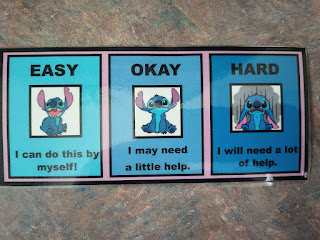
For students who struggle with anxiety, a simple visual like this one can promote self-advocacy skills without drawing a lot of attention to themselves. Again, incorporating their preferred interests helps with buy-in from the student.


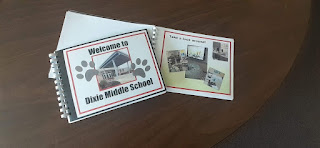
This was a picture book that was created to help students transition from elementary school to middle school. The students took the picture books home over the summer after touring their new school. They were able to read the book as many times as they needed so that they could have visual reminders of what the upcoming year would look like and, hopefully, help ease their anxiety about the transition.


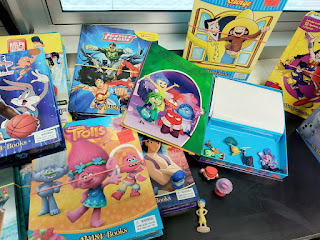
Being student-led does not mean that you have to let a student make all of the demands and run the entire session. I have a couple of students who would do nothing but scroll through YouTube clips or play the same iPad games if I would let them. Learning what they really enjoy in those clips or games is key. I try to use toys or visuals from their interests in ways that do not involve being on the device, but mimics the same type of play. Busy Books are great therapy toys for this and there are tons of characters available to suit lots of interests.


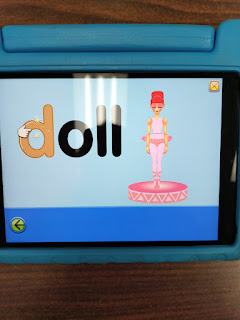
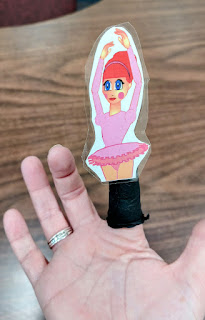
Another trick is to make finger puppets using cut up gloves and printed, laminated characters from YouTube or games that the student enjoys. This “dancing doll” finger puppet was created for a student who absolutely loves the dancing doll character from the Starfall iPad game.


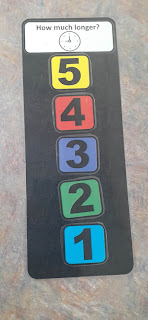
I still like to honor those requests to be on the iPad, but I save the actual device time for the end of the session. One of my most used visuals to help with this transition actually came from my very first ACT professional development session! This countdown strip is my go-to visual for nearly every session and helps in situations where I want to honor a student’s interests or requests without allowing them to take over the entire session. Personally, I prefer to use this countdown exclusively for elapsing time and not for individual tasks completed. When I first introduce this countdown tool to new students, I always start with the time going by very quickly, pulling off a number every few seconds. I gradually increase the time between numbers being pulled each session. This teaches my students that they strip means that time is going by and that they will eventually get what they want when the “one” is finally pulled off. I always use a second timer with an alarm (usually a visual timer) to end their favorite activities. This has helped my students to maintain a more positive attitude about the countdown strip and not to associate it with ending a fun activity.


Another way that I have been trying to build stronger relationships with my students is by learning more about gestalt language processing and tracking my students’ gestalts so that I can figure out what each one means in certain contexts and then use those utterances to expand language. I created this tracking form to help with this task and keep them in my students’ files.


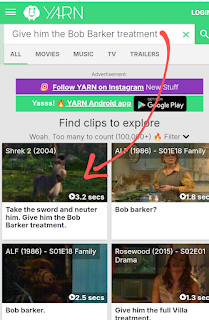
I have also recently discovered a fantastic website that has been a great help with learning gestalts. Getyarn.io is a website that allows a clinician to type a student’s gestalt phrase into a search box. The website then generates a list of possible sources for that phrase in video clips. Here is an example: I had a student who kept talking about “the Bob Barker treatment.” I used getyarn.io to find the exact video clip from which the phrase originated–Shrek 2! The student was so excited that I was able to figure out what he was talking about! This is such a nice tool for clinicians to use in the moment instead of having to wait to ask caregivers after the communication attempt has passed!


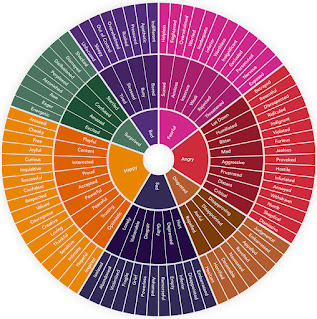
Because we focus on a ton of self-advocacy skills, I also work really hard to help grow my students’ vocabularies. Using the various wheels of emotions is a great tool for teaching shades of meaning in emotional language.


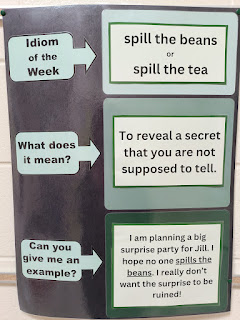
I also try to make sure that my students who struggle with figurative language learn a new word or phrase each week. I created an Idiom of the Week poster that changes every Monday to help with that task!


I hope you have found some good tips and tricks to try during your next speech therapy session!


Best Blog Posts for Social Skills

To start this school year, our team is compiling some of our best examples of supports we have seen in our districts and featured in previous blog posts. Today we are highlighting all of the Best Blog Posts for Social Skills.


Click on the hyperlink under each heading below to be taken to the related post on that topic.


Tuesday, December 3, 2024

Best Blog Posts for Communication

To start this school year, our team is compiling some of our best examples of supports we have seen in our districts and featured in previous blog posts. Today we are highlighting all of the Best Blog Posts for Communication. 


Click on the hyperlink under each heading below to be taken to the related post on that topic.


Tuesday, January 9, 2024

A-LIST Spotlight: MCESC Speech and Language Pathologist Laura Windholtz

We are so excited to kick off the new year by featuring one of MCESC's very own A-LISTers! When we have coached teams at MCESC Learning Center- West it has been evident that SLP Laura Windholtz is a pillar of their school community! Laura goes above and beyond to meet the needs not only of her caseload students but all of the students at West through creating spaces to facilitate communication, working with parents and outside agencies to provide wrap-around resources, and providing essential training for classroom staff.

When we reached out to Laura to contribute to today's A-LIST Spotlight post, she went above and beyond as she does in all things. Keep reading to learn more about the supports she shared.


My name is Laura Windholtz and I am a Speech-Language Pathologist at MCESC. I started working at MCESC in 1995. I worked part-time for several years to raise my children and currently work full-time.  I have served in many school districts over my career, but feel at home at Learning Center West. 


People who know me describe me as enthusiastic, creative, and influential.


As an SLP at Learning Center West, I serve on the building leadership team, work with students that use AAC, train staff, parents and students on a variety of AAC systems, have presented many trainings and implemented a core word of the week curriculum,   Enthusiasm is shown every day through my work, my presentations and commitment to helping staff and students. 


The most rewarding part of my job is giving my students a voice. This is not just a job to me, it is a passion!  I love when student receive a voice for the first time and staff share stories of students using their voice.


I also have a passion for coaching and supporting staff.  Many times it is just being there to listen.  It brings me great joy when staff members are communicating with students using AAC.


I am creative in and out of the workplace.  I love to scrapbook and work on crafts in my spare time.  One of the ways I express my creativity at work is in the Say and Play!


Say and Play Dramatic Play classroom:

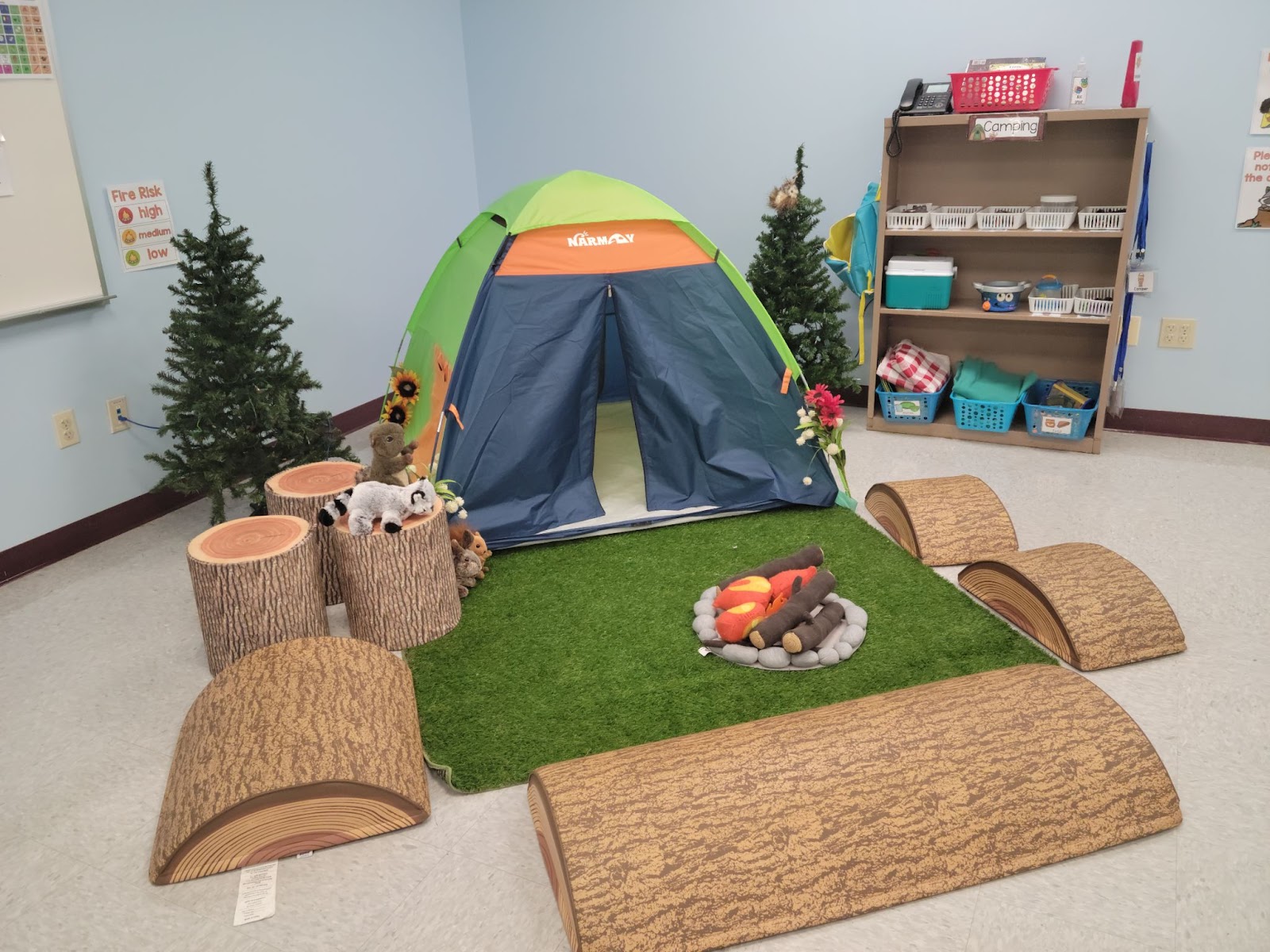
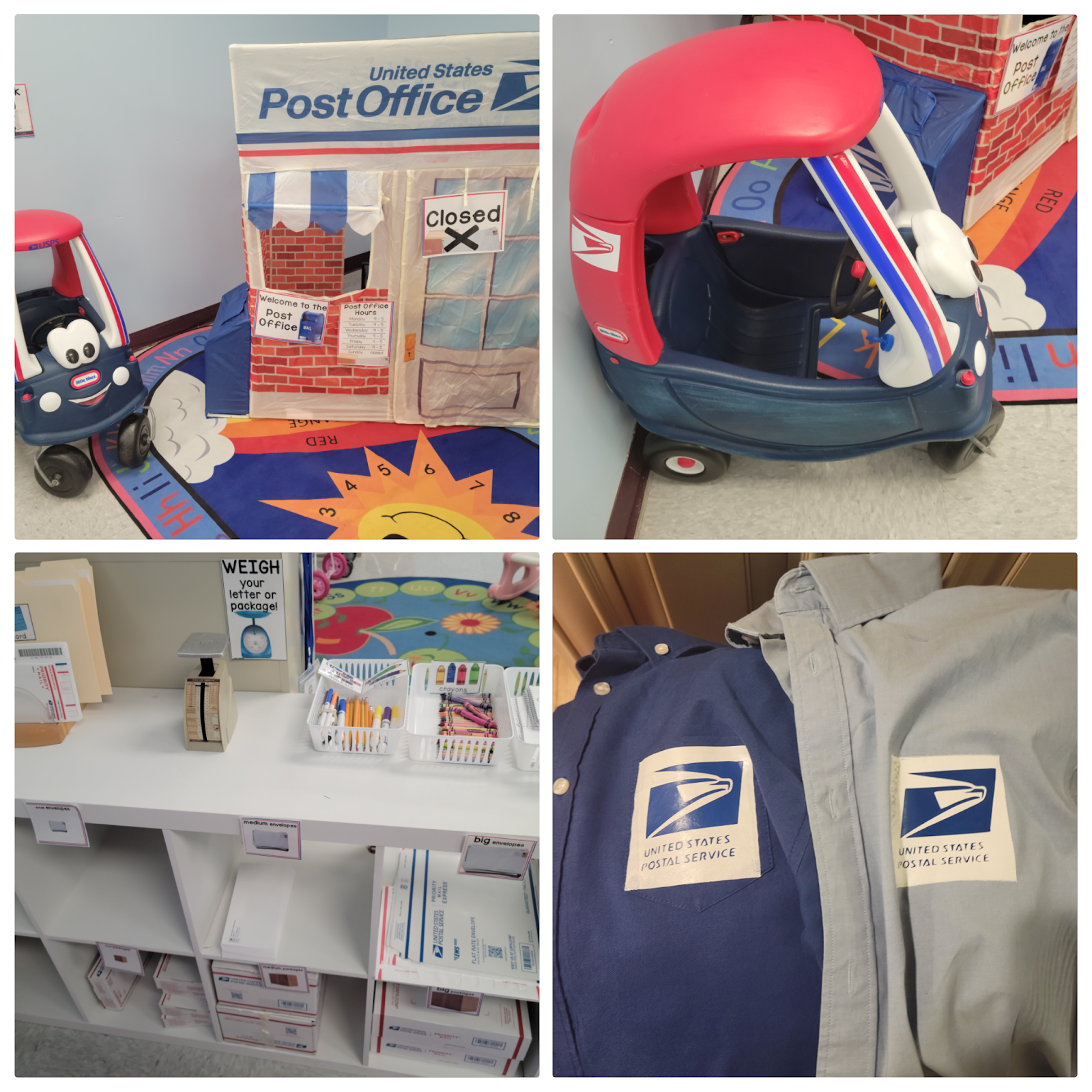
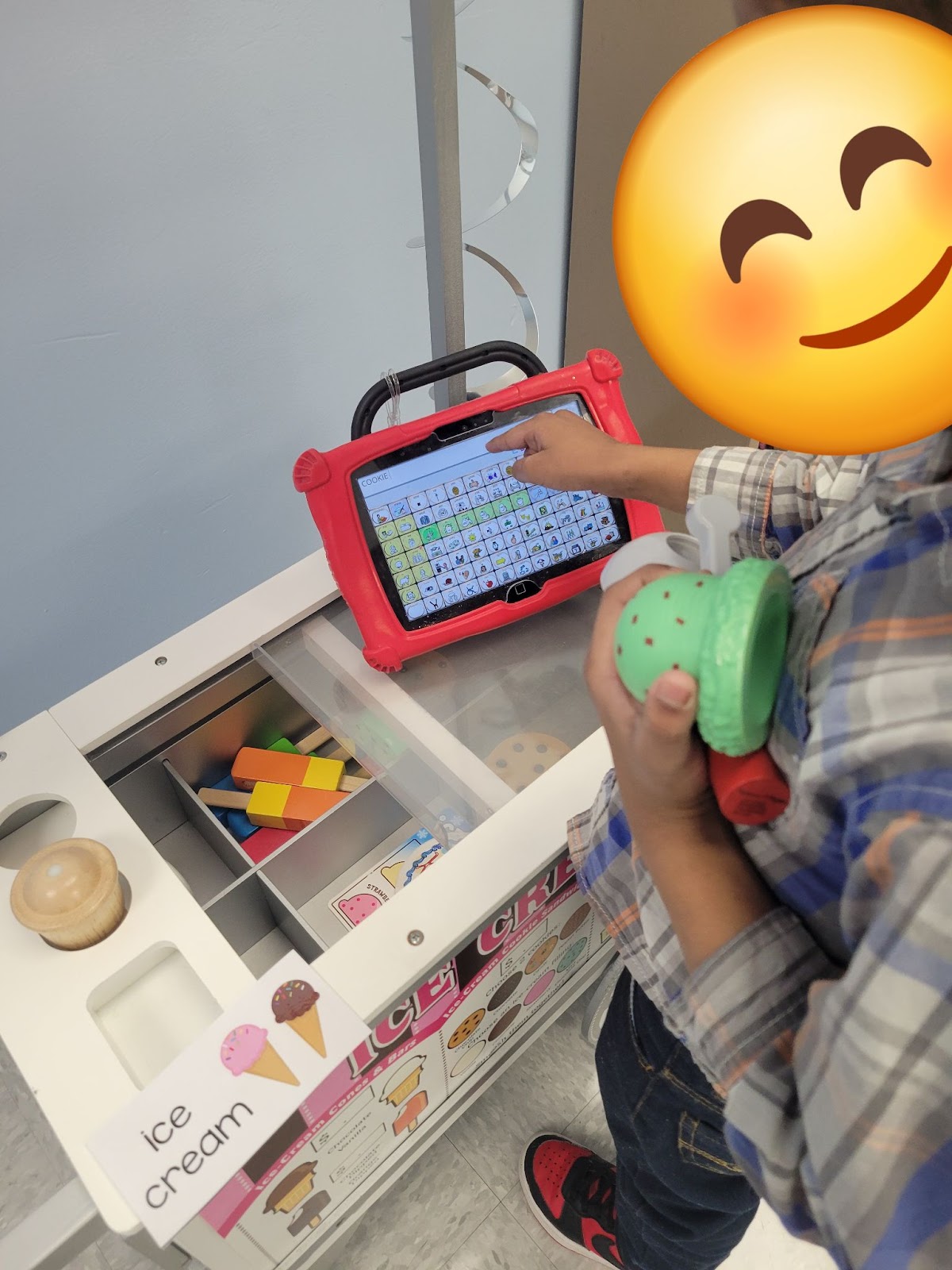
When my principal purchased some dramatic play equipment for our indoor space, I thought it would be cool to add some props to enhance language. We had a construction site and a campsite. Over the past 3 years. I have added a vet, target store, Starbucks, doctor's office, kitchen,  and nursery. The dramatic place space is now called the Say and Play.  The purpose is to model and expand language, teach and model play skills and practice social skills.  


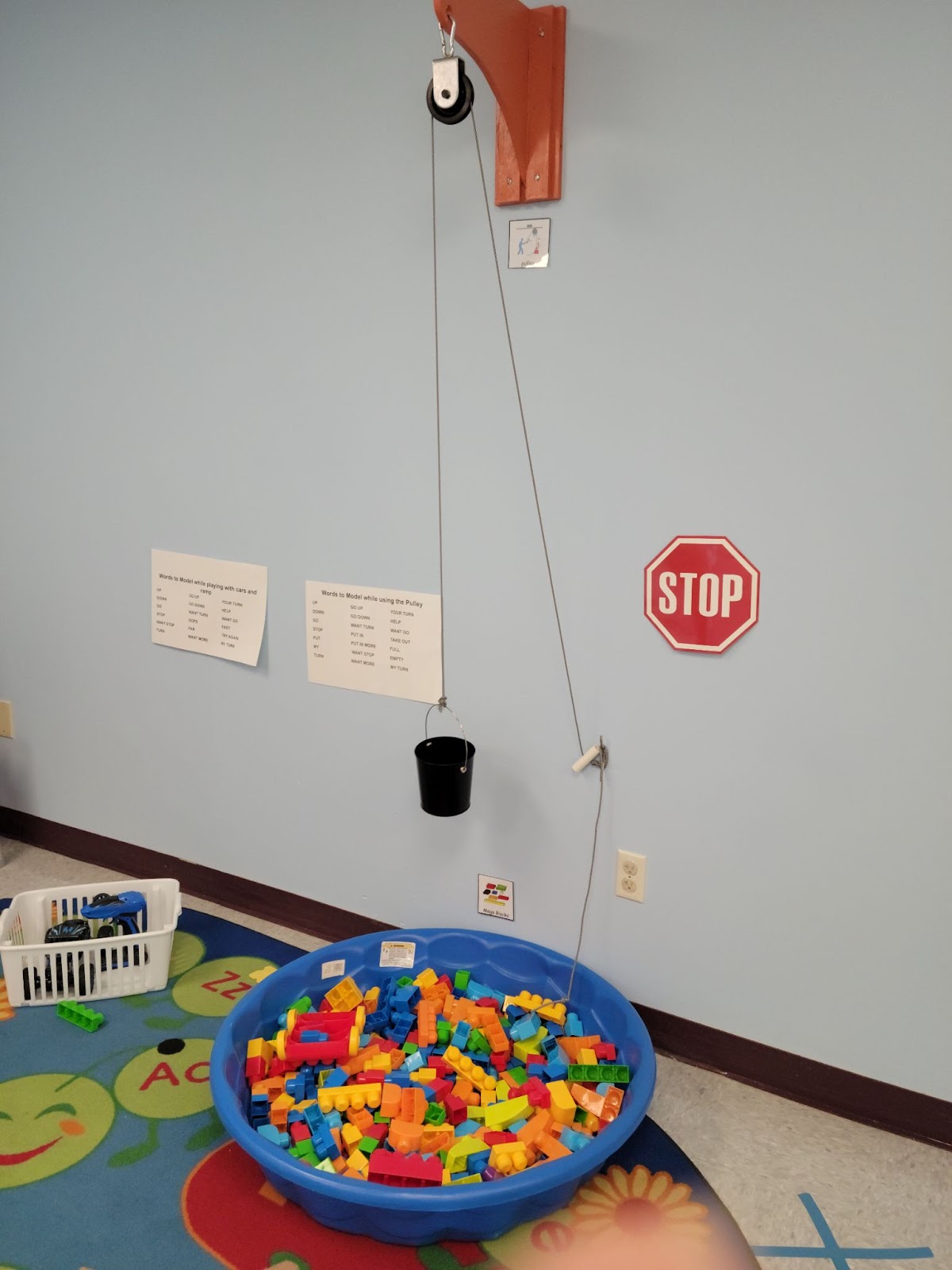
This year some of the themes are tied to the Unique Learning System curriculum. The month of October featured physical science. Our janitor helped me install a pulley system.  Through play the kids learned about simple machines. 


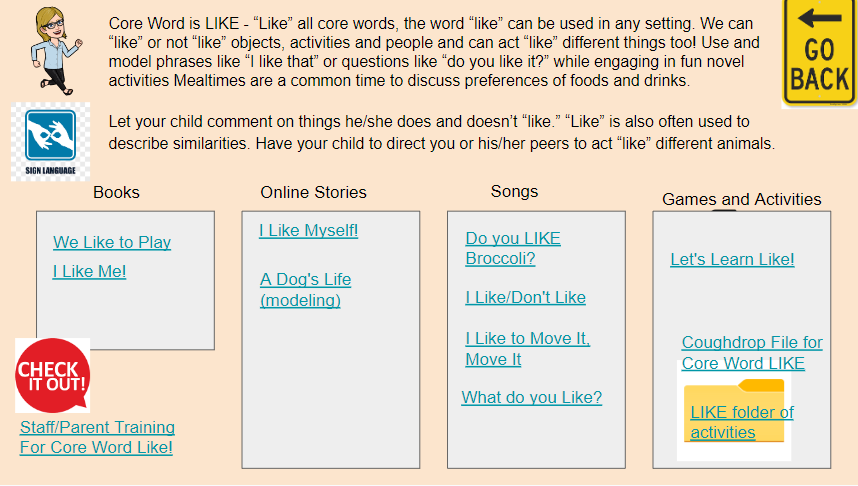
Facilitating Use of Core Words

I enjoy being creative on the job!  My creativity helps keep the job fun and interesting!  Creativity is also shown through the core word of the week.  I have set up core word bulletin boards, developed core word lesson and games and created a google slide presentation with core words activities.  


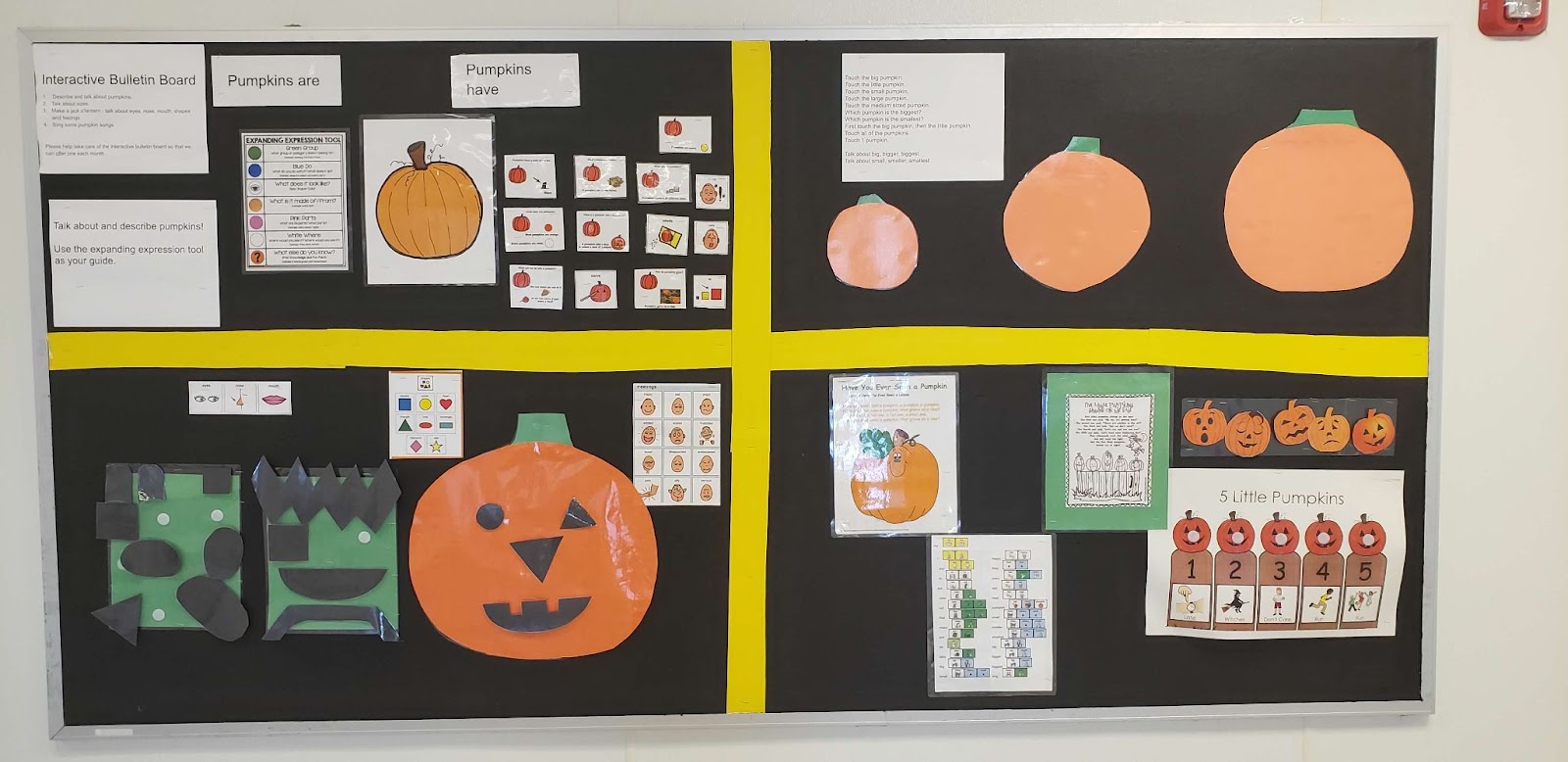
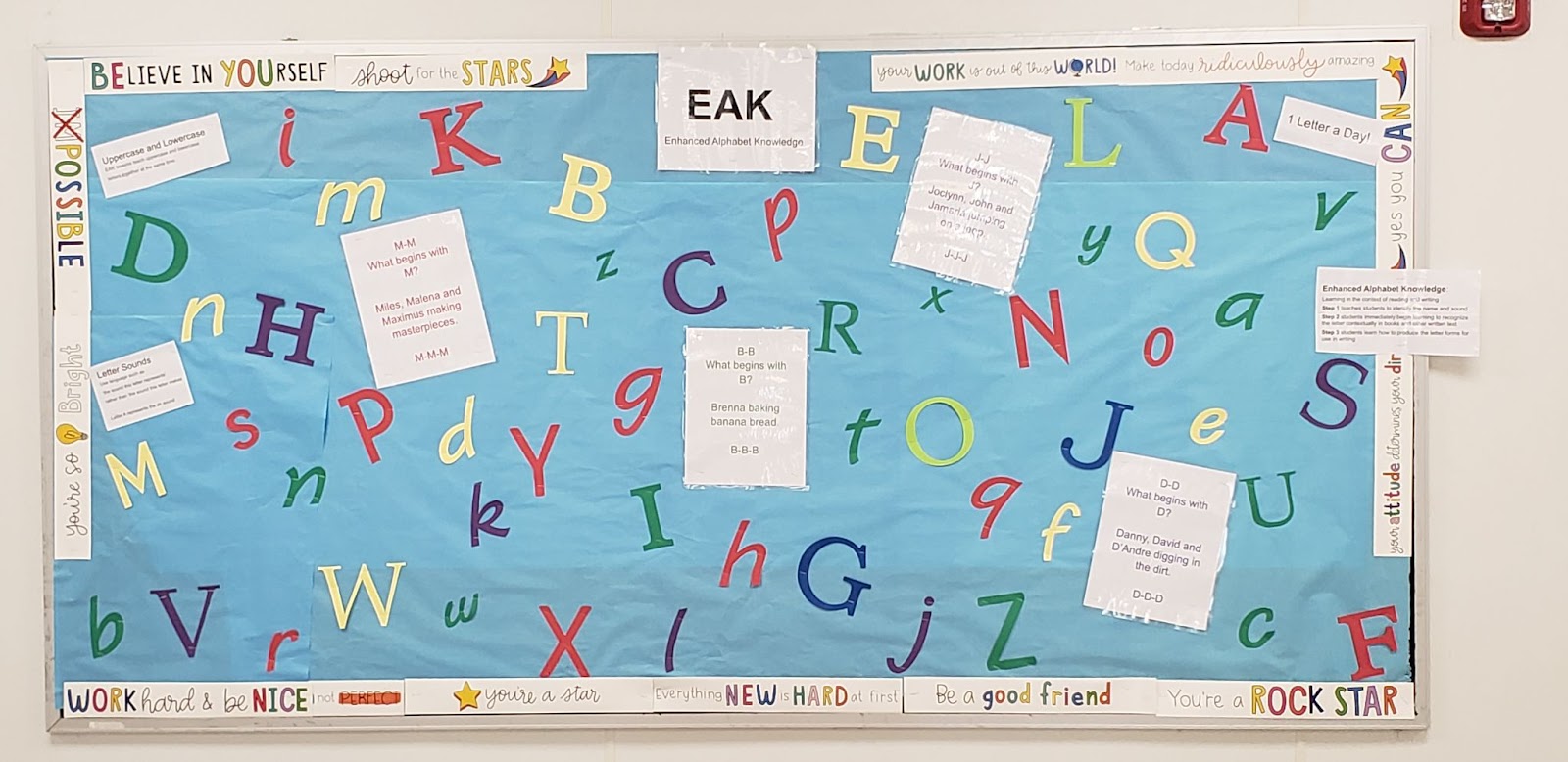
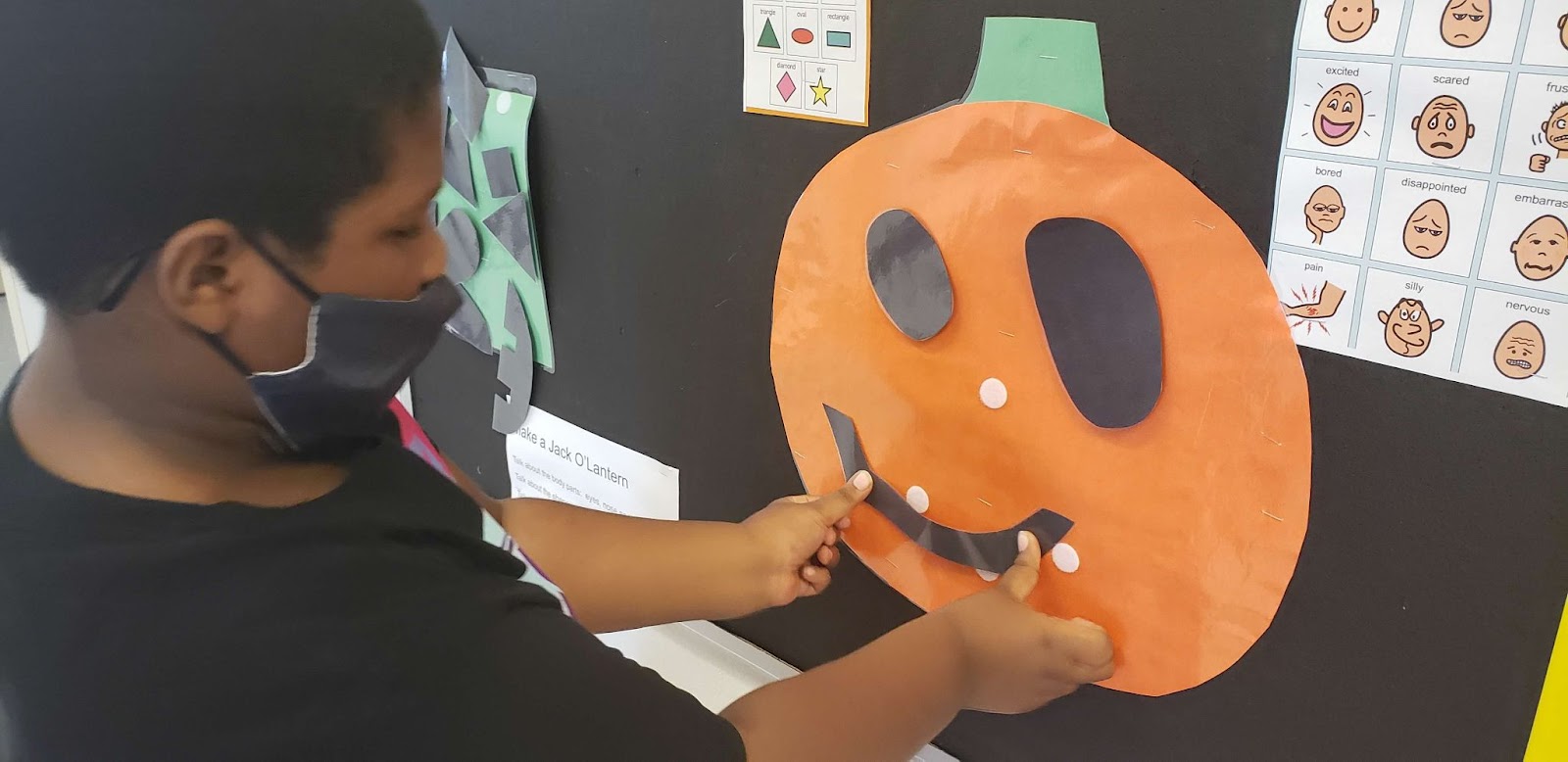
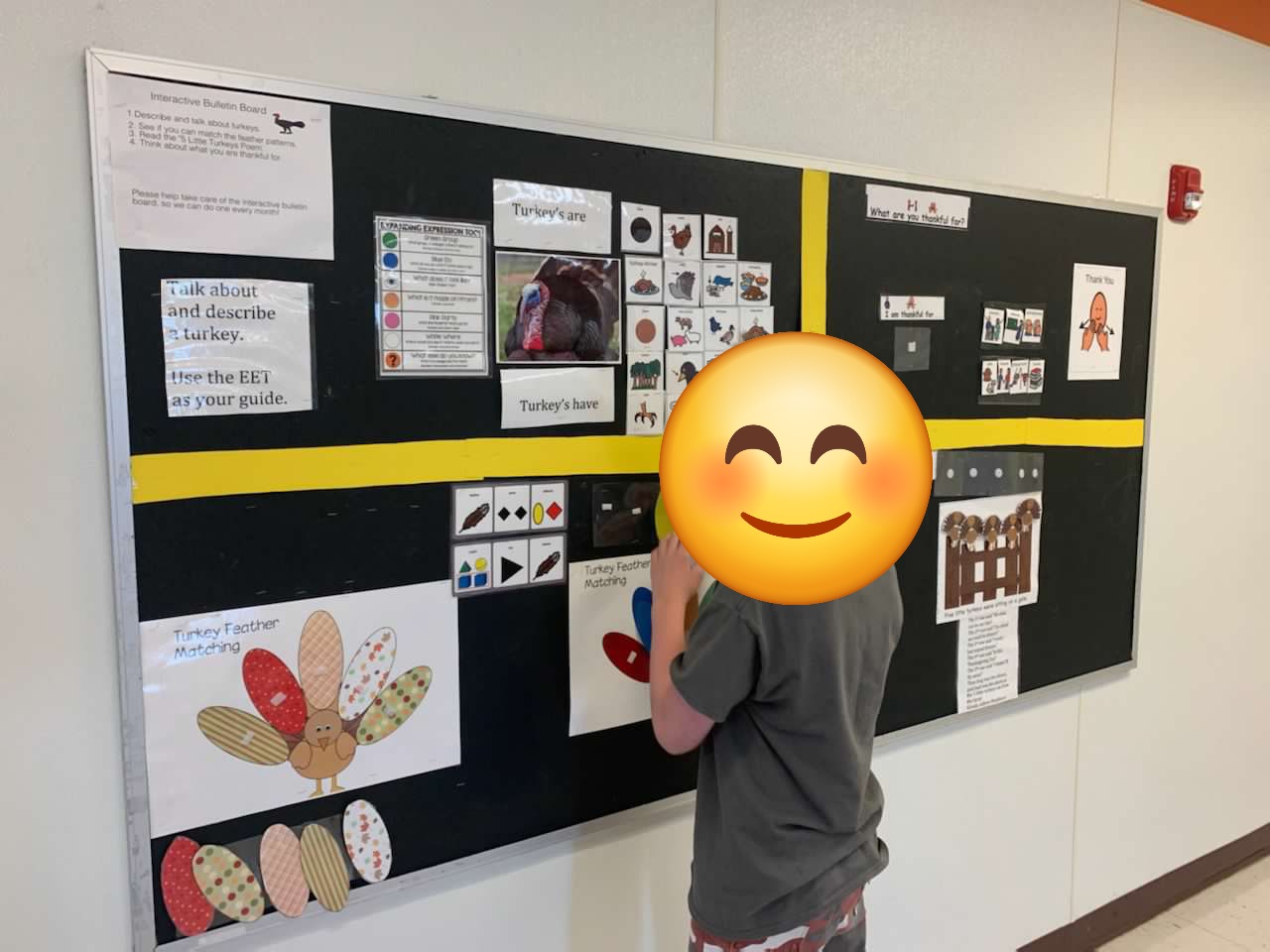
Interactive Bulletin Boards - I have also designed interactive bulletin board  that emphasize language.


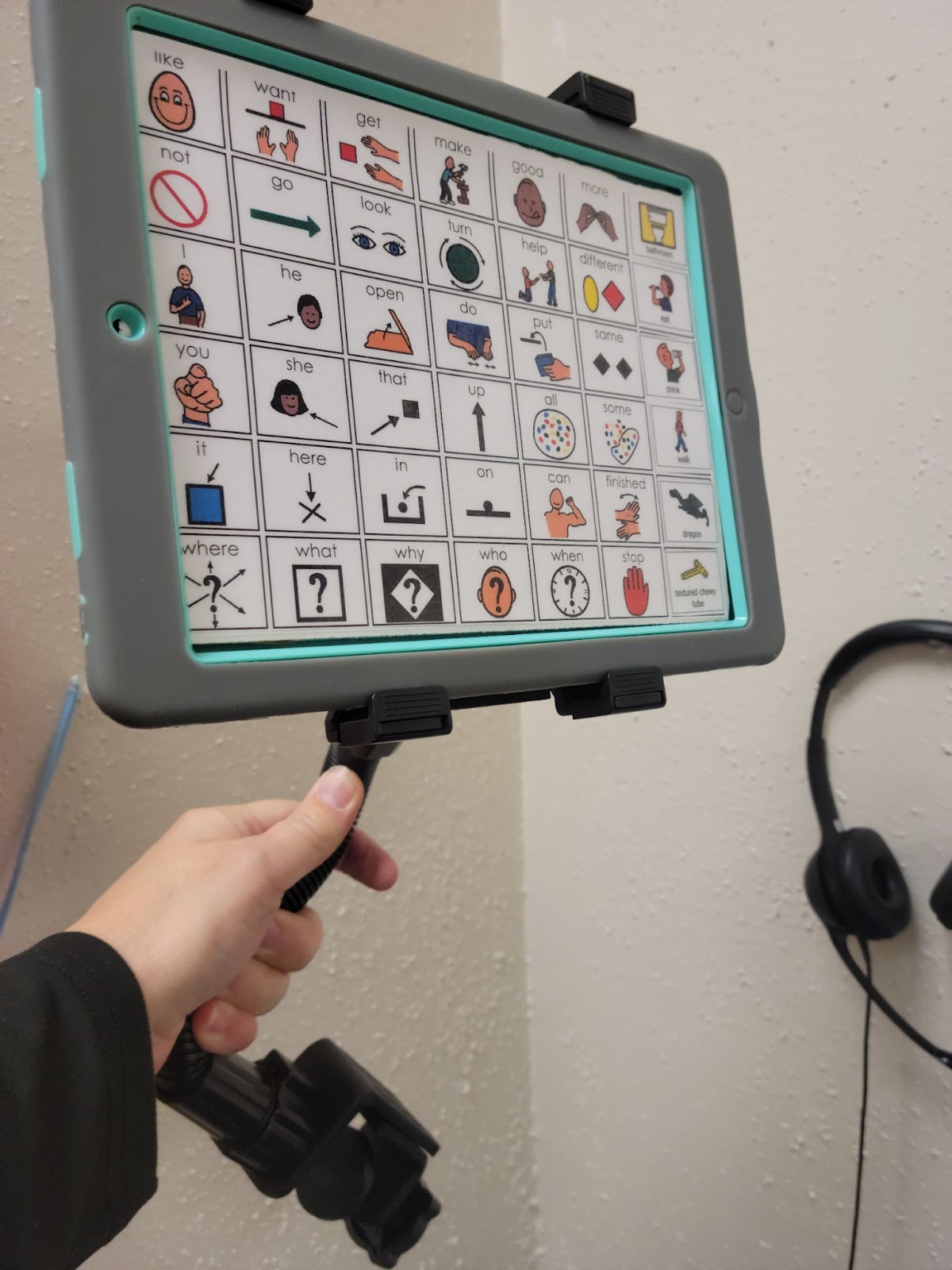
Other creative ways I incorporate communication throughout the day – I mounted a communication board to foam board and put inside an old ipad case.  You can mount to a desk with mounts found on Amazon. 


I am often told that I influence people.  I have had an influence on all staff members in my building, including administrators and related service providers.  


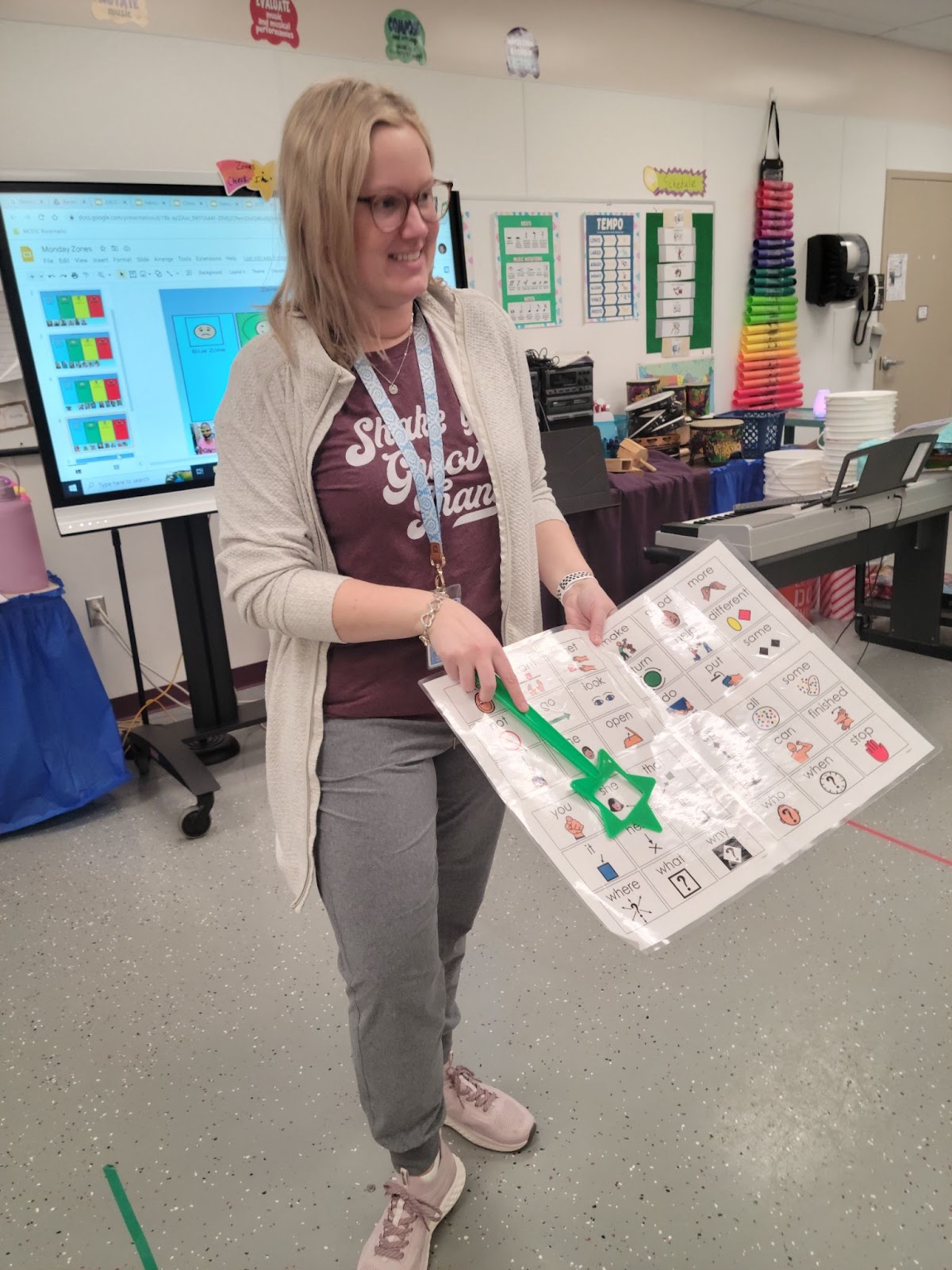
Our music teacher incorporates the core word of the week in her classes every week.  She works hard to make it fun and engaging for the students. 


Literacy and AAC

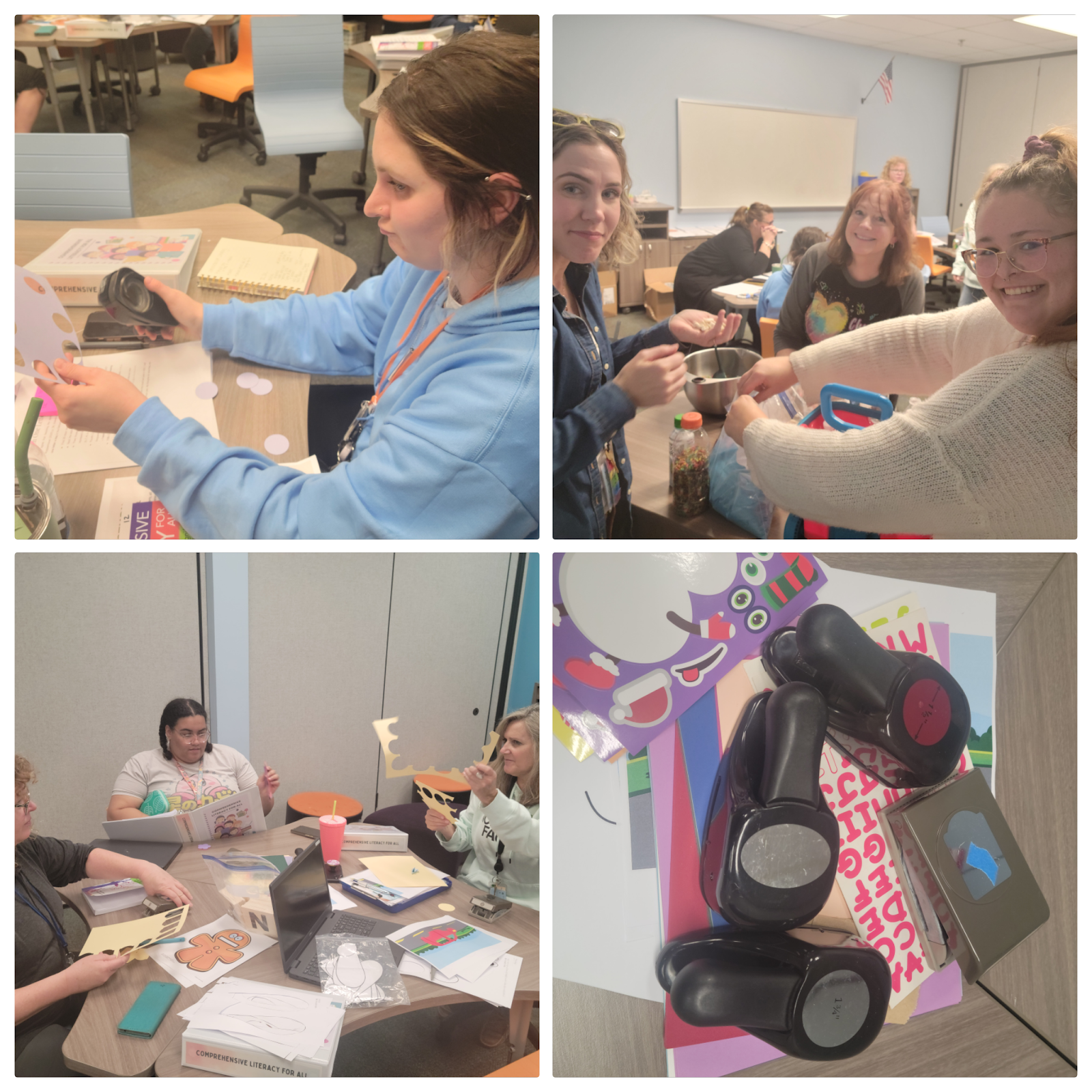
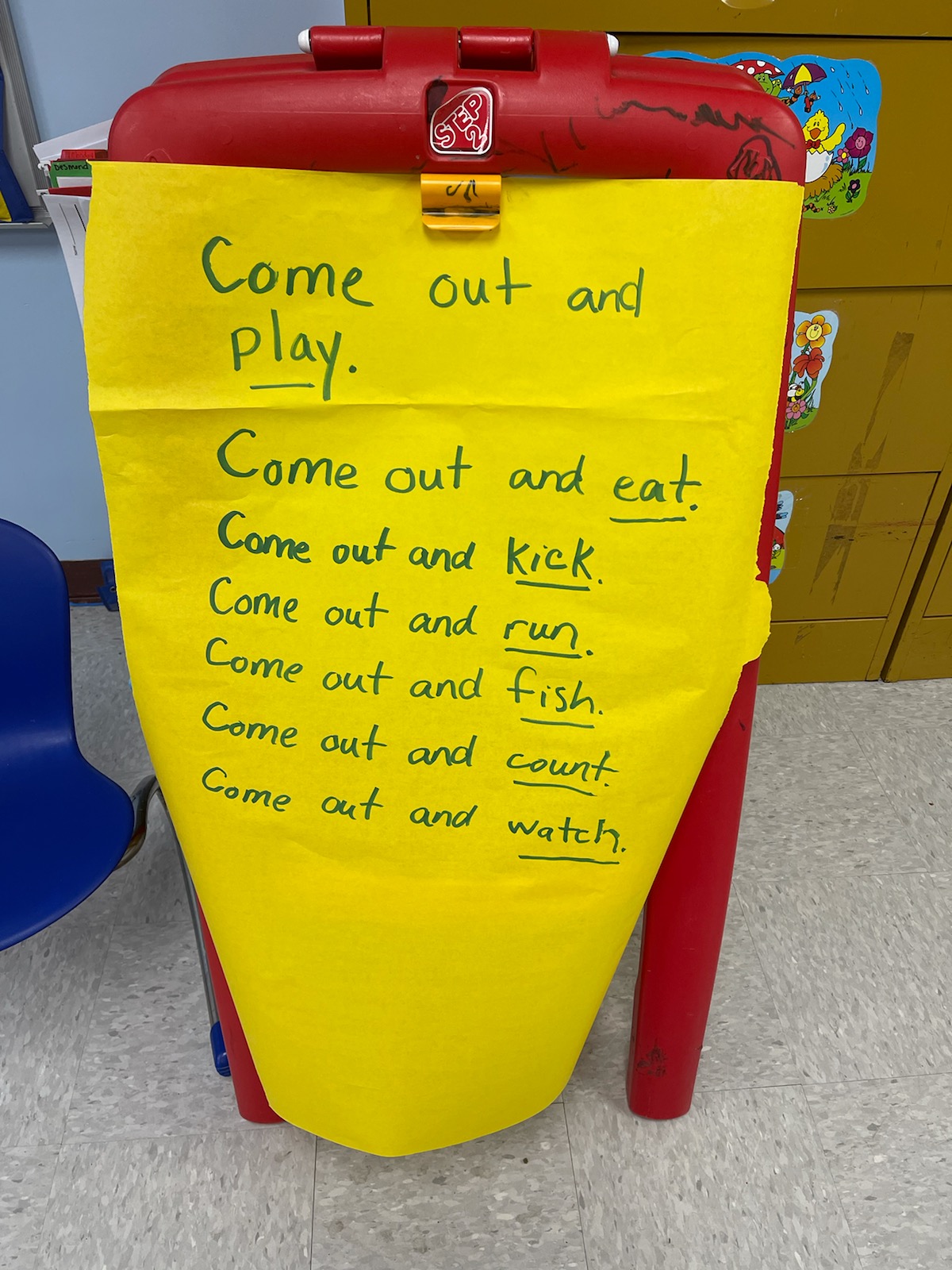
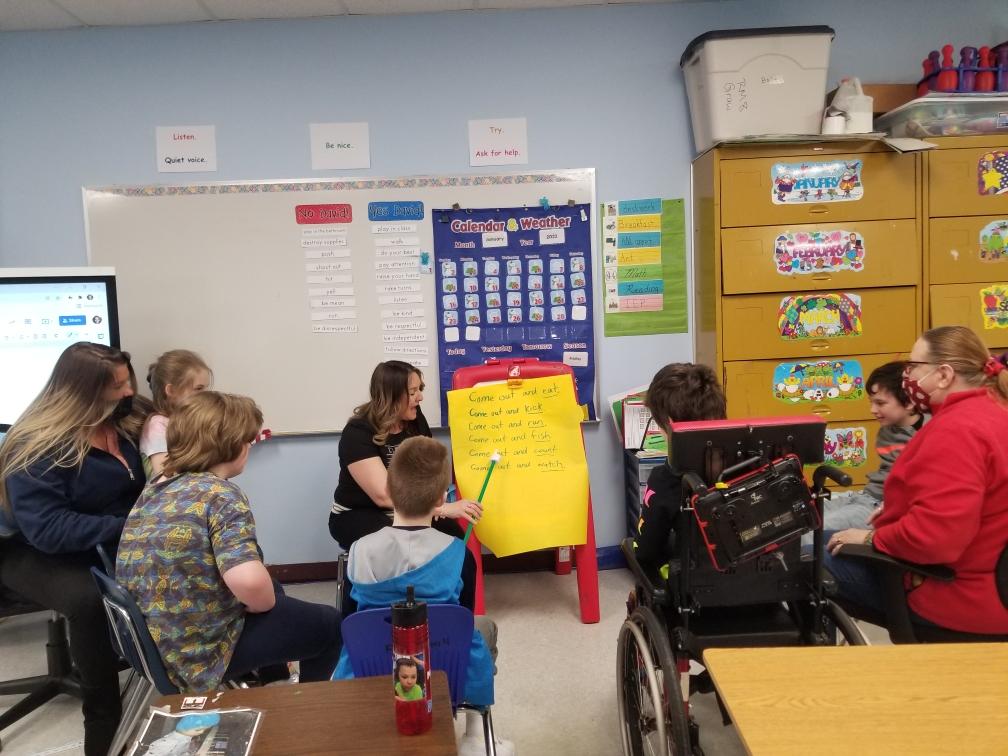
I have influenced teachers and other related service providers by leading a monthly book study on Comprehensive Literacy for All by Dr. Karen Erickson and David Koppenhaver. I have a passion for AAC and Literacy.  Teachers have been trying new things in their classrooms to engage students in Literacy and AAC.


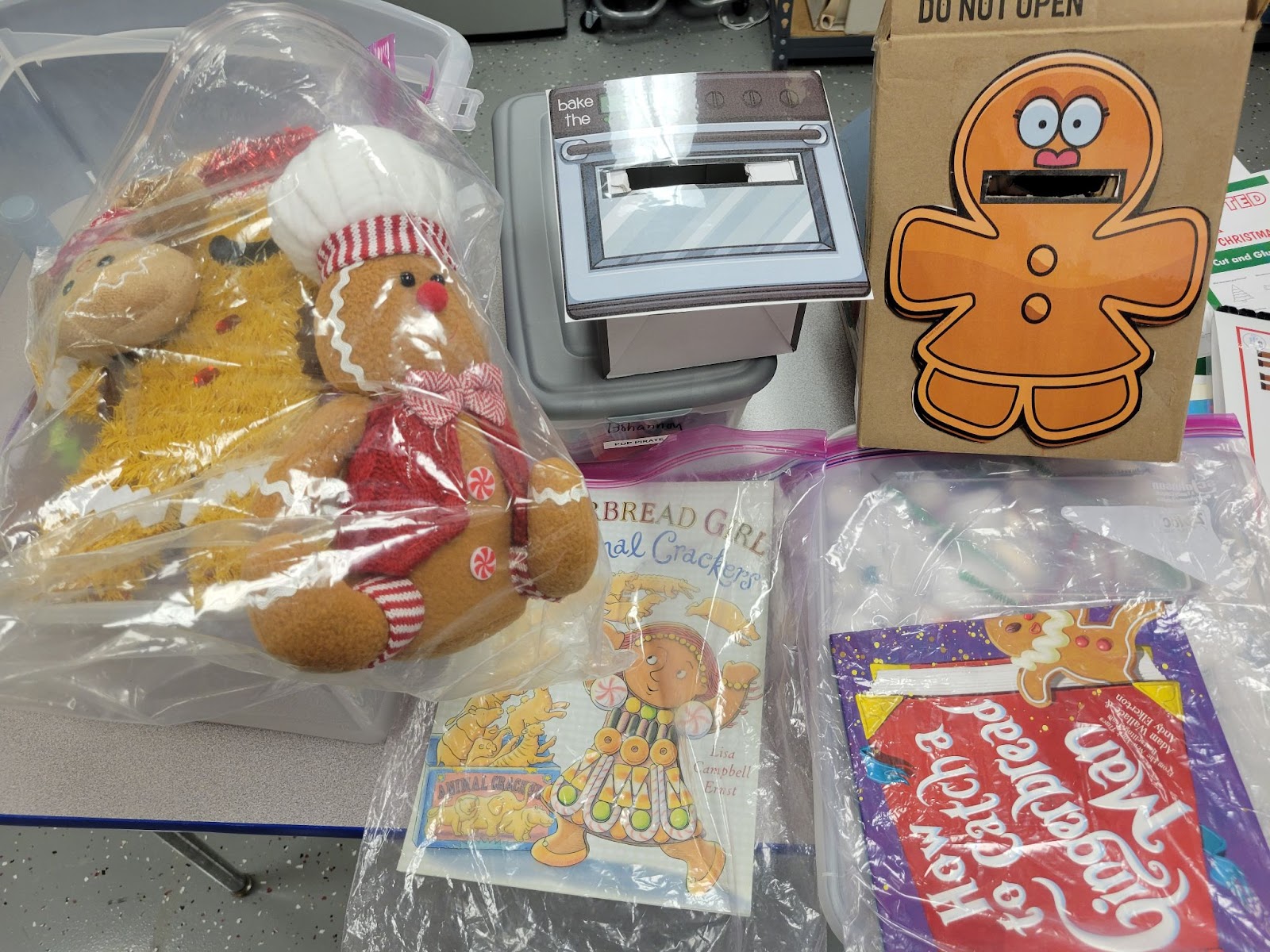
I have influenced my colleagues by creating themed lessons to be used throughout the month or by choosing a book to focus on for the month and use repetition with variety. 


I influence staff through the coaching of AAC in the classroom during a variety of activities.  Staff is more motivated to use aided language stimulation with their students and they have seen the benefits

Our mission at MCESC Learning Centers is to serve our students so that they can succeed. As a visionary leader,  I aspire to use my enthusiasm, creativity and influence for AAC, communication and literacy to one day serve in a coaching role so that staff and students can be successful.

A huge shoutout to Laura for sharing these fabulous supports! We always love the opportunity to work with you and are so happy that you are part of our A-LIST (and MCESC family)!