Showing posts with label vestibular. Show all posts

Wednesday, May 24, 2023

Regulation Rendezvous: Sensory Tips and Tricks

It is essential that school staff take into account how each student processes sensory information so that they can individualize supports to help them stay regulated and ready to learn. In today's Regulation Rendezvous, we will provide some Sensory Tips and Tricks for each of the 8 sensory systems. 


Auditory:
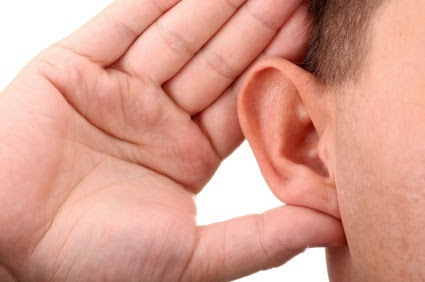
  • Allow time to process.
    • Research shows that students with autism may need up to 30 seconds of processing time when hearing verbal instructions before they may respond…are you allowing enough processing time for the students you work with?
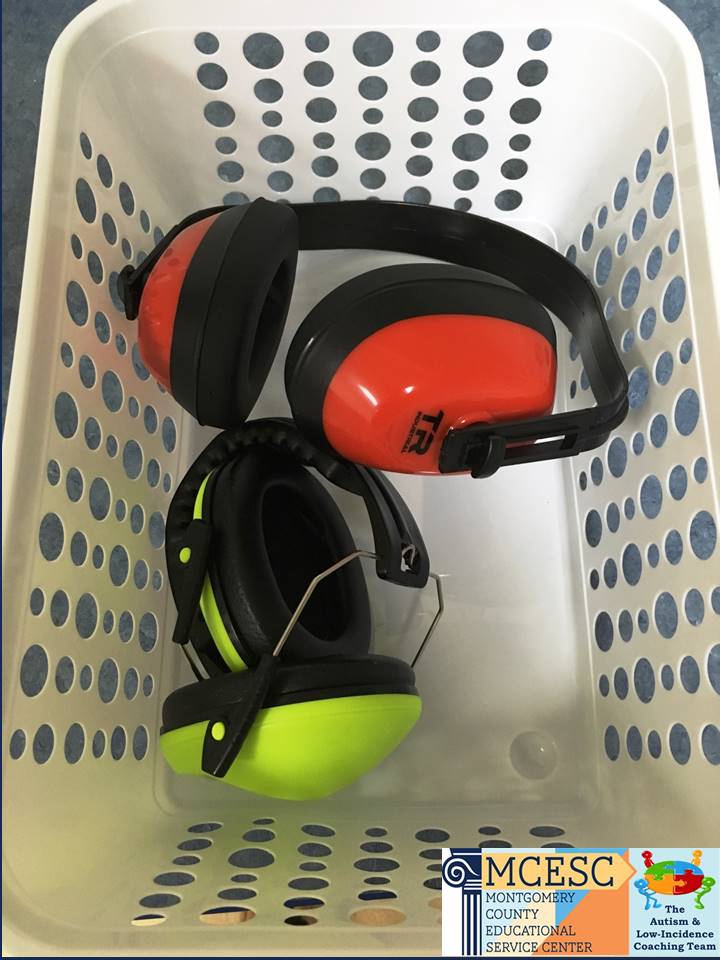
  • Noise-canceling headphones can be a great sensory support for students with auditory sensitivities. Please keep in mind that headphones should be off more than they’re on to avoid the rebound effect of loudness. For students who need this support on a consistent basis, come up with a wearing schedule and have that on their schedule to help staff and the student remember when to have them on and off.
Trotwood ELC, Trotwood

  • Did you know that chewing that can be sign of being overwhelmed by auditory input? The physical act of chewing closes our external ear canal and dampens volume. Keep this in mind when working with students who engage in lots of chewing behavior!
Ann Rosenbaum
Orchard Park Elementary, Kettering


Visual:
  • Visual information is often processed faster than auditory.
  • A visual cue ring can be a great way to reinforce verbal instructions or prompts. Remember, your visual cue ring should have positive cues in addition to the visual reminders and prompts it may have so that the student doesn’t develop a negative association with that tool.


Tactile:
  • Light touch has a direct connection to the fight/flight center of brain. If deep pressure input is recommended for a student, be sure all staff is on the same page for how to apply that pressure so we don’t accidentally provide alerting input instead of calming.
  • Deep pressure input will always be a calming source of input to the tactile sensory system.
  • Unexpected touch can also be very alerting. If you provide hand-over-hand assistance to a student you work with, always be mindful of how you approach the student and talk to them/warn them before you touch them so they can anticipate that touch.
  • Often times students present with a low threshold to receive non-preferred tactile input. These students benefit from having alternate ways to participate in activities that may cause them to come in contact with aversive textures (e.g. use paintbrush during “finger painting”, use of a glue stick instead of liquid glue, etc.). Another option could be to have a washcloth or wipe readily available to use for clean-up while working on tasks that may make a student ‘dirty’ to help ease their anxiety during ‘messy’ task activities.

Proprioception:
Heidi Horner
Nevin Coppock, Tipp City
  • Only sensory system that is always calming.
  • Regulates all other sensory systems.
  • When in doubt use proprioception.
  • Weighted supports can be an effective way of providing calming proprioceptive input including things like weighted lap pad, weighted blanket, weighted backpack, and weighted vest just to name a few.
    • When using a weighted support that a student wears the OT should meet with the team to determine a wearing schedule. This should be clearly communicated to the staff working with the student and, ideally, should be embedded into the student’s daily routine. This ensures that wearing this type of supported is being targeted during sensory rich parts of the student’s day and ensures that it is not being worn too much or too often. Keep in mind – when wearing weighted supports they should be off more than they are on. They also should be individualized for each student by weighing the student and not exceeding 10% of their body weight when using a wearable weighted support. It’s typically best practice to start at 5-7% of the student’s total body weight and then adjust based on data collected by the team.
Pam Locker
Washington Primary, Piqua


Vestibular:
  • Rotation and rapid acceleration/deceleration are typically alerting types of input.
  • Linear and rhythmic movement is calming.
Helke Elementary, Vandalia

Lori Lovelass
Huber Heights
  • Vestibular input has a direct connection to the language center of brain. Pairing vestibular input with targeted speech skills can be a great way to motivate students to practice various language skills.


Gustatory (taste) & Olfactory (smell):
  • Consistent problems processing taste and smell is sometimes reflected with over-reactivity responses which could indicate why a student may avoid certain tastes and smell experiences to the point that it interferes with social participation, such as family mealtimes or community gatherings where people are preparing or consuming food.
  • Many “picky eaters” frequently insist on eating only certain foods or brands of food. They may seek very familiar food with predictable taste and smell, and have difficulty with the flexibility needed to participate in dining in public settings, where a wide range of new tastes and smells may be present.


Interoception:
  • Do you work with a student who doesn’t seem to recognize their own body cues and therefore struggles with toileting, emotional control, or makes frequent somatic complaints? Interoception may be the missing link! Check out www.kelly-mahler.com to have access to additional research and free resources!

Tuesday, April 4, 2023

Regulation Rendezvous: Purposeful Walks and Sensory Jobs

Purposeful walks are calming sensory support strategies that allow a student a brief break from demands of the classroom. They provide a student with the calming proprioceptive and vestibular input needed to help a student calm and refocus before returning to class. Purposeful walks can be scheduled proactively or used as an “in the moment” support. You can incorporate interests, embed activities as part of daily routines, or create sensory jobs that are meaningful for the student. For today's Regulation Rendezvous we have gathered some of the most creative and fun purposeful walk and sensory jobs that we have seen in our districts! 


Hallway Activities
One of the simplest ways to create a purposeful walk for students is to create a matching activity. Hang high-interest pictures in the hallway and have students go on a scavenger hunt to find the pictures and match them to a matching board.
Taylor Ruef
Stevenson Elementary, Mad River

Stephen Russell
LT Ball, Tipp City/Miami County ESC

Marissa Steinhelfer
Harry Russell Elementary, West Carrollton


Some teams create have students complete heavy work activities by traveling to one location, gathering weighted objects, and then traveling to another location. 

Lauren Bridgens
Driscoll Elementary, Centerville


Driscoll Elementary, Centerville

Bradford Elementary, Bradford


Pretend Play
Make these activities engaging through incorporating special interests and pretend play. In these examples, students practice raking, pushing a weighted bus to gather pictures in the hallway, and shopping. 
Marisa Hatton
Kinder Elementary, Miamisburg

Maria Dickens
Primary Village North, Centerville

Heidi Horner
Miami County ESC


Classroom Centers
If you do not have staff or space to implement a purposeful walk outside of the classroom, you can create a center within the classroom. Activities could include matching paths, 
Mad River Preschool, Mad River

Stevenson Elementary, Mad River


jug matching or sequencing, 

Heather Clark
Saville Elementary, Mad River

and colored object sorting. 
Marissa Steinhelfer
West Carrollton

Denise Campbell and Terri Dinkelaker
Stevenson Elementary, Mad River

Ashley McCoy
Saville Elementary, Mad River


Routine Activities
Another great way to easily embed this purposeful sensory input is to embed it into routine activities. Students can transport supplies such as lesson materials, library books, or recess toys. 
Briana Rix
West Carrollton High School, West Carrollton

Terri Wheeler
Milton Union Elementary, Milton Union


Greenmont Elementary, Kettering


Or recruit the help of cafeteria staff for students to assist during lunchtime. 
Deanna Hicks
East Elementary, Eaton


For more ideas on incorporating heavy work jobs, don't miss our previous post:


Tuesday, January 12, 2021

Regulation Rendezvous: Motor Rooms

Many of our previous posts focus on providing students with opportunities for calming sensory input. But what if you have a student who needs alerting input or who has a high threshold for movement or vestibular input? Then today's Regulation Rendezvous is for you! Today we are focusing on Motor Rooms which is a designated location for students to get motor input in a structured way. Check out some examples of awesome Motor Rooms across the Miami Valley:


Stevenson Elementary, Mad River

When using the Motor Room at Stevenson Elementary, students follow a circuit of activities which incorporate motor skills as well as academics. 

Match velcro shapes after crossing balance beam

Count and stretch using resistance bands

Bounce on trampoline before matching magnetic letters to sight words/alphabet cards

Sort heavy books by color

Count and step up

Count and bounce on therapy ball

When finished, students take a few minutes to calm their bodies before returning to classroom focused and ready to learn. 

Hammock swing calm down seating

Rocking chair calm down seating

Mound Elementary, Miamisburg

The students at Mound Elementary have a variety of sensory equipment to choose from during their proactively scheduled Motor Room time. 

steamroller

platform swing

stationary bike

crash pad

cocoon platform swing

Springcreek Primary, Piqua

A Motor Room (or in this case a Motor Lab) is a great place for students to go for physical therapy services as well. We love this Motor Lab where PT, Amy Pratt works with her students. Amy has a therapy ball, textured stepping stones, yoga cards, a balance beam, a platform cocoon swing, steamroller, and a couple stepping platforms. What a fun and functional space!

Mad River Middle School, Mad River

Older students need movement breaks too! We love the use of exercise equipment at Mad River Middle School to prepare students for ways to incorporate sensory supports as they get older. 

treadmills

treadmills, stationary bike, elliptical

trampoline

Jane Chance Elementary, Miamisburg

Exercise equipment comes in little sizes too! Look at these pint-sized Motor Room options at Jane Chance Elementary in Miamisburg including a stationary bike, treadmill, rowing machine, and some seating options. They also use S'cool Moves posters to guide student exercises. 


Tecumseh Elementary, Tecumseh

ALIST Occupational Therapist, Tracey Cooper at Tecumseh Elementary also uses S'cool Moves in her Motor Room at Tecumseh Elementary in addition to visual motor activities. 


Snyder Park Elementary, Springfield

Check out all of these swing options in the Motor Room at Snyder Park Elementary! In addition to swinging, students can also use the ball pit, tunnel crawl, therapy ball, trampoline, or climbing play forms. 


For additional information on structuring Motor Room breaks to get the most out of this valuable student support don't miss our previous post:

Regulation Rendezvous: Proactively Scheduled Sensory Breaks