
The
“Forced Choice” method of instruction is one whereby you provide two or more
discrete choices about what to do, rather than offering
open ended choices or an option for choosing nothing. This is sometimes a helpful strategy to use
when providing direction to a student who has oppositional, argumentative or
avoidant behavior. A forced choice of two or more acceptable options allows the
teacher to provide the student a sense of control while limiting the options to
only those that are reasonable and acceptable in the situation. Keep in mind that, for many students, making
choices can be difficult or even overwhelming, so keeping the choice to just
two is probably best for many students. Forced choices can be used in a variety of ways throughout the school day. In today's Around Town Round Up we have gathered up some great examples across activities.

Academics
In this example, students are given one assignment and then they have a choice for what they do after completing the assignment.
For a student who struggles with staying seated and participating during Calendar Time, the teacher provided the choice to be a helper and now he is a star student!
When completing tasks, let students choose which task card they want to do next. This is a simple and effective way to share control during work times.

This teacher incorporates forced choices for what the student has to do during work times and what reward they get to earn.
Choice boards are also a good way to give students a way to communicate their desires during activities if they have limited verbal communication or initiation skills. This is also an example of a forced choice because the teacher limited the song choices to those listed.
Structured Work
When implementing a structured work station or taskboxes, the forced choice method can be used in a variety of ways. Students can choose the order in which they complete tasks or they can choose which tasks they want to put in their sequence.
Older students can be given choices of what work they want to complete in a binder pocket or folder system.
Sensory Time
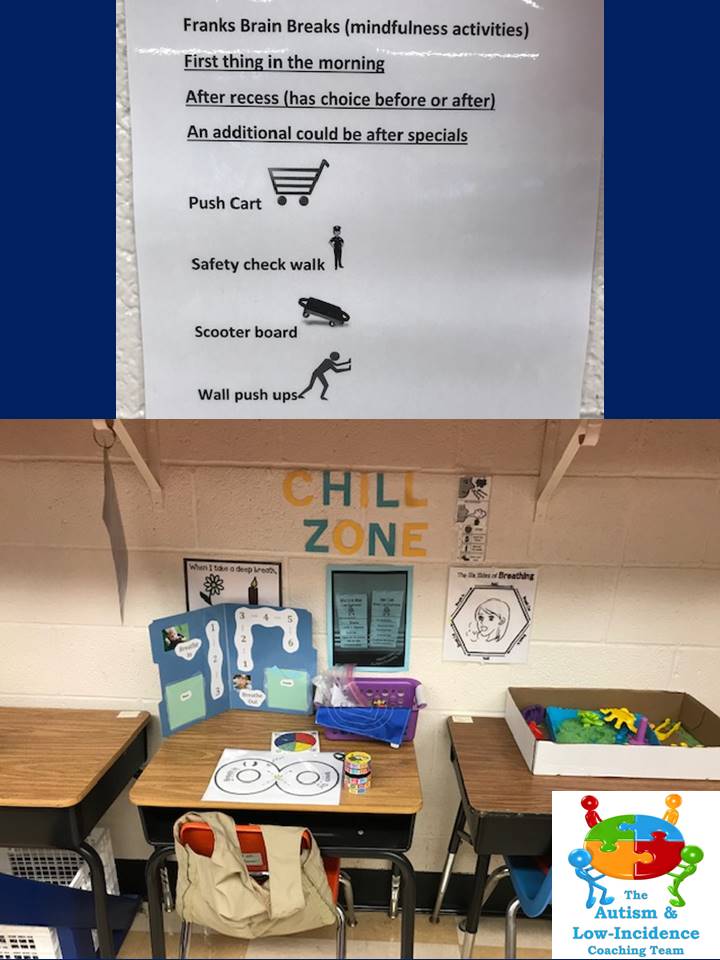
The forced choice method is a great way to get student buy in so they are more willing to engage in sensory activities. With guidance from the student's OT, provide a menu of sensory options for the student to choose from during proactively schedules sensory breaks. These choices can be used in isolation or as part of a sequence of activities.
Schedules
We have seen some incredible staff flexibility in allowing students forced choices when setting up daily schedules. In these examples, students complete a combination of teacher-directed and student chosen activities throughout the day to keep positive momentum and maintain shared control.
Free Time
Providing forced choices during free time or reward time limits students to activities that are acceptable and available at that time. This can be handy if you are limited on time or if you do not have access to a particular activity at that time. Visual choice boards or lists can help students know what they are allowed to choose from.

Transitions
When transitioning out of the classroom, let students choose where they want to stand in line by using visual cues.
And when transitioning to a seated activity, give students seating options.
Random
To add variety but still get buy-in from students, some teachers use a random draw system using spinners or dice. These are best used for students who are able to demonstrate some flexibility and do not need total control.

The forced choice method should be proactively planned for so that students are given the choice at the start of an activity. Although this can also be an effective reactive strategy, for some students it may appear as though initial demands are always negotiable. Before presenting a demand to a student, think of ways you can set it up as a choice to avoid power struggles and set up shared control from the start.

Academics
In this example, students are given one assignment and then they have a choice for what they do after completing the assignment.
 |
| Marie Reikowski Demmitt Elementary, Vandalia |
For a student who struggles with staying seated and participating during Calendar Time, the teacher provided the choice to be a helper and now he is a star student!
 |
| Jenna Fitch Helke Elementary, Vandalia |

This teacher incorporates forced choices for what the student has to do during work times and what reward they get to earn.
 |
| Emily Ottmar Stevenson Elementary, Mad River |
Choice boards are also a good way to give students a way to communicate their desires during activities if they have limited verbal communication or initiation skills. This is also an example of a forced choice because the teacher limited the song choices to those listed.
 |
| Jackie Vollmer Driscoll Elementary, Centerville |
Structured Work
When implementing a structured work station or taskboxes, the forced choice method can be used in a variety of ways. Students can choose the order in which they complete tasks or they can choose which tasks they want to put in their sequence.
 |
| Lindsey Woods Fairborn Primary, Fairborn |
 |
| Jared Taylor Simon Kenton Elementary, Springfield |
Older students can be given choices of what work they want to complete in a binder pocket or folder system.
 |
| Jennifer Jette Vandalia-Butler High School, Vandalia |
 |
| Bobbi Jo Chapman Snyder Park Elementary, Springfield |
Sensory Time
The forced choice method is a great way to get student buy in so they are more willing to engage in sensory activities. With guidance from the student's OT, provide a menu of sensory options for the student to choose from during proactively schedules sensory breaks. These choices can be used in isolation or as part of a sequence of activities.
 |
| Allysson Rudnicki Tipp High School, Tipp City |
 |
| JFK Elementary, Kettering |
 |
| Chris Barhorst Wright Brothers Elementary, Huber Heights |
 |
| Leslie Mann Demmitt Elementary, Vandalia |
 |
| Horace Mann Elementary Springfield |
 |
| Keelin DiMuccio Fairbrook Elementary, Beavercreek |
 |
| Robbie Whorton Trotwood-Madison High School, Trotwood |
Schedules
We have seen some incredible staff flexibility in allowing students forced choices when setting up daily schedules. In these examples, students complete a combination of teacher-directed and student chosen activities throughout the day to keep positive momentum and maintain shared control.
 |
| Stephanie Foreman South Vienna Elementary, Northeastern |
 |
| Therese Garison Helke Elementary, Vandalia |
Free Time
Providing forced choices during free time or reward time limits students to activities that are acceptable and available at that time. This can be handy if you are limited on time or if you do not have access to a particular activity at that time. Visual choice boards or lists can help students know what they are allowed to choose from.
 |
| Jackie Vollmer Driscoll Elementary, Centerville |

 |
| Leslie Mann Demmitt Elementary, Vandalia |
 |
| Taylor Ruef Stevenson Elementary, Mad River |
Transitions
When transitioning out of the classroom, let students choose where they want to stand in line by using visual cues.
 |
| Jessica Burns Demmitt Elementary Preschool, Vandalia |
 |
| Amy Beanblossom Arcanum-Butler Elementary, Arcanum |
And when transitioning to a seated activity, give students seating options.
 |
| Kim Kohlrus Beverly Gardens Elementary, Mad River |
 |
| Lindy McDaniel Considerate Classroom |
Random
To add variety but still get buy-in from students, some teachers use a random draw system using spinners or dice. These are best used for students who are able to demonstrate some flexibility and do not need total control.

 |
| Rylie Jarrett Stevenson Elementary, Mad River |


