Showing posts with label communication. Show all posts

Tuesday, December 17, 2024

A-LIST Spotlight: Speech and Language Pathologist America Swartzel from New Lebanon Local Schools

America Swartzel is the speech pathologist at Dixie Elementary and Middle School in New Lebanon. She is always so positive and knows how to engage with her students. We have seen America connect with some of the most challenging students and facilitate meaningful use of AAC, encouraging implementation across settings. We also love that she educates herself on the perspectives of neurodiverse individuals to make sure her goals and strategies are respectful of their unique differences and abilities. America is a great team player and demonstrates the ability to collaborate with others to support shared goals. We are excited to feature America today on our A-LIST Spotlight! Read below to learn more about America and the supports she implements for her students.

My name is America Swartzel and this is my 13th year at New Lebanon Local Schools, where I service all three buildings–grades 1 through 12+. The 2023-2024 school year was a big one for me, as I was honored to be selected as part of the A-List and was named Teacher of the Year in my district! My true passions in this field lie in the areas of Autism and AAC. When working with my students, I strive for neurodiversity affirming therapy practices. This is an area that is constantly evolving and it is crucial for us,as clinicians, to listen to Autistic voices and to have a willingness to change and grow our skills accordingly.


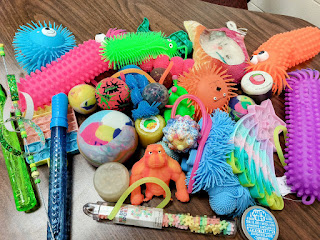
My number one goal with my Autistic students is to build strong relationships. I do this by ensuring that my sessions are child-led and as sensory friendly as possible. Although my therapy space doesn’t allow for all of the sensory items I would like, I am never short on fidgets, squishies, and visual sensory toys like bubbles and spinners. I offer those items, as well as physical input (deep pressure, rocking, etc) to my students freely during every session. My students know that sensory items and activities are not something that they need to work for–we never work to meet our sensory needs!


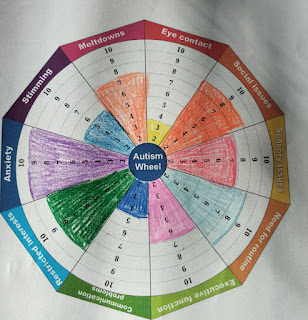
I think it is so important for kids to understand their brains and to embrace the differences that make each one unique. Some of my students have really enjoyed learning about the Autism spectrum wheel. We discuss each section and then they color in a blank wheel based on how they view their own Autistic characteristics!

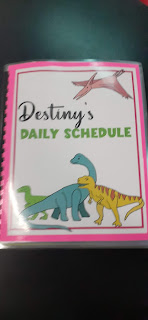
Because most of my students have varied special interests, I try my best to incorporate their interests into as many visuals as possible. Here are some of the visuals I have made for my students.

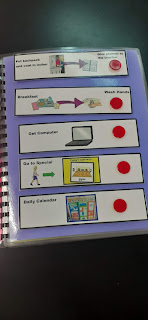
A visual schedule for a student who loves dinosaurs:


I have one student who speaks so softly in class that it is very difficult to hear her. Since she loves The Little Mermaid, I created this visual to help her teacher communicate when she needs to speak at a higher volume. Although the student was apprehensive to use a visual at first, she was fully on board once her favorite princess was added.

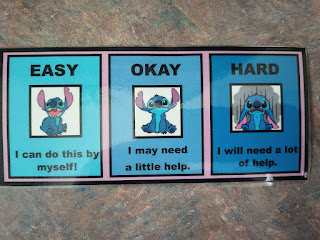
For students who struggle with anxiety, a simple visual like this one can promote self-advocacy skills without drawing a lot of attention to themselves. Again, incorporating their preferred interests helps with buy-in from the student.


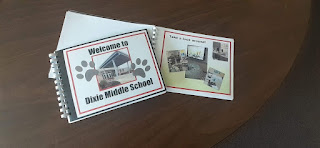
This was a picture book that was created to help students transition from elementary school to middle school. The students took the picture books home over the summer after touring their new school. They were able to read the book as many times as they needed so that they could have visual reminders of what the upcoming year would look like and, hopefully, help ease their anxiety about the transition.

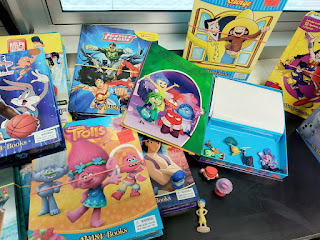
Being student-led does not mean that you have to let a student make all of the demands and run the entire session. I have a couple of students who would do nothing but scroll through YouTube clips or play the same iPad games if I would let them. Learning what they really enjoy in those clips or games is key. I try to use toys or visuals from their interests in ways that do not involve being on the device, but mimics the same type of play. Busy Books are great therapy toys for this and there are tons of characters available to suit lots of interests.


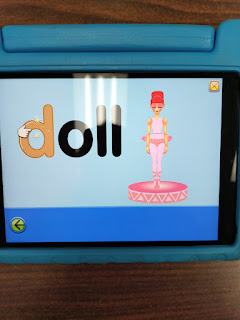
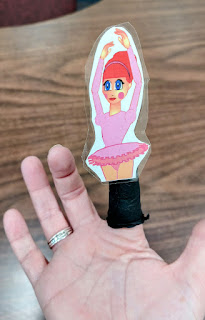
Another trick is to make finger puppets using cut up gloves and printed, laminated characters from YouTube or games that the student enjoys. This “dancing doll” finger puppet was created for a student who absolutely loves the dancing doll character from the Starfall iPad game.
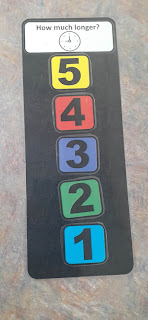
I still like to honor those requests to be on the iPad, but I save the actual device time for the end of the session. One of my most used visuals to help with this transition actually came from my very first ACT professional development session! This countdown strip is my go-to visual for nearly every session and helps in situations where I want to honor a student’s interests or requests without allowing them to take over the entire session. Personally, I prefer to use this countdown exclusively for elapsing time and not for individual tasks completed. When I first introduce this countdown tool to new students, I always start with the time going by very quickly, pulling off a number every few seconds. I gradually increase the time between numbers being pulled each session. This teaches my students that they strip means that time is going by and that they will eventually get what they want when the “one” is finally pulled off. I always use a second timer with an alarm (usually a visual timer) to end their favorite activities. This has helped my students to maintain a more positive attitude about the countdown strip and not to associate it with ending a fun activity.

Another way that I have been trying to build stronger relationships with my students is by learning more about gestalt language processing and tracking my students’ gestalts so that I can figure out what each one means in certain contexts and then use those utterances to expand language. I created this tracking form to help with this task and keep them in my students’ files.

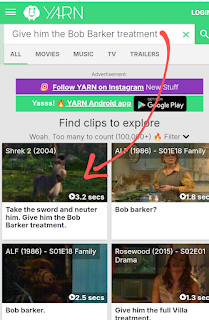

I have also recently discovered a fantastic website that has been a great help with learning gestalts. Getyarn.io is a website that allows a clinician to type a student’s gestalt phrase into a search box. The website then generates a list of possible sources for that phrase in video clips. Here is an example: I had a student who kept talking about “the Bob Barker treatment.” I used getyarn.io to find the exact video clip from which the phrase originated–Shrek 2! The student was so excited that I was able to figure out what he was talking about! This is such a nice tool for clinicians to use in the moment instead of having to wait to ask caregivers after the communication attempt has passed!


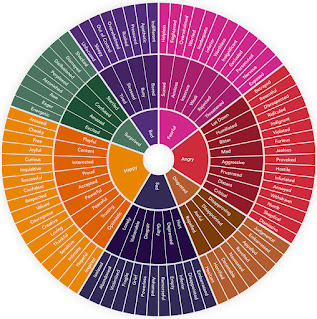
Because we focus on a ton of self-advocacy skills, I also work really hard to help grow my students’ vocabularies. Using the various wheels of emotions is a great tool for teaching shades of meaning in emotional language.


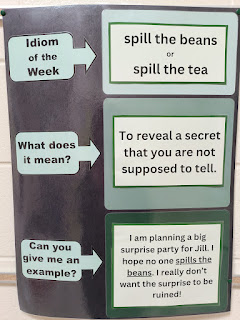
I also try to make sure that my students who struggle with figurative language learn a new word or phrase each week. I created an Idiom of the Week poster that changes every Monday to help with that task!

I hope you have found some good tips and tricks to try during your next speech therapy session!


Tuesday, December 3, 2024

Best Blog Posts for Communication

To start this school year, our team is compiling some of our best examples of supports we have seen in our districts and featured in previous blog posts. Today we are highlighting all of the Best Blog Posts for Communication. 


Click on the hyperlink under each heading below to be taken to the related post on that topic.


Tuesday, February 27, 2024

Sensational Social Skills: Building Joint Attention During Instruction

Do you have a student who is hard to engage during instruction? Today's Sensational Social Skills post  will focus on Joint Attention strategies to help your students engage with you so you can teach them new skills. 

If you haven’t already seen our blog on the Foundation for Building Reciprocal Communication, check it out here: 

The Foundation for Building Reciprocal Communication

This blog will talk about the first steps when trying to engage with your student. Before you can expect your student to engage with you for instruction, you need to develop motivation, regulation, and basic self-management.


Once you have taken the time to build the foundation, you can determine what you want to teach your student and how to gain joint attention for the lesson. If your student struggles with joint attention, you want to start with something easy to build momentum.


One example is a preschool student who was new to the school environment. He struggled to engage with the adults and constantly tried to escape the environment and throw any item placed in his space.

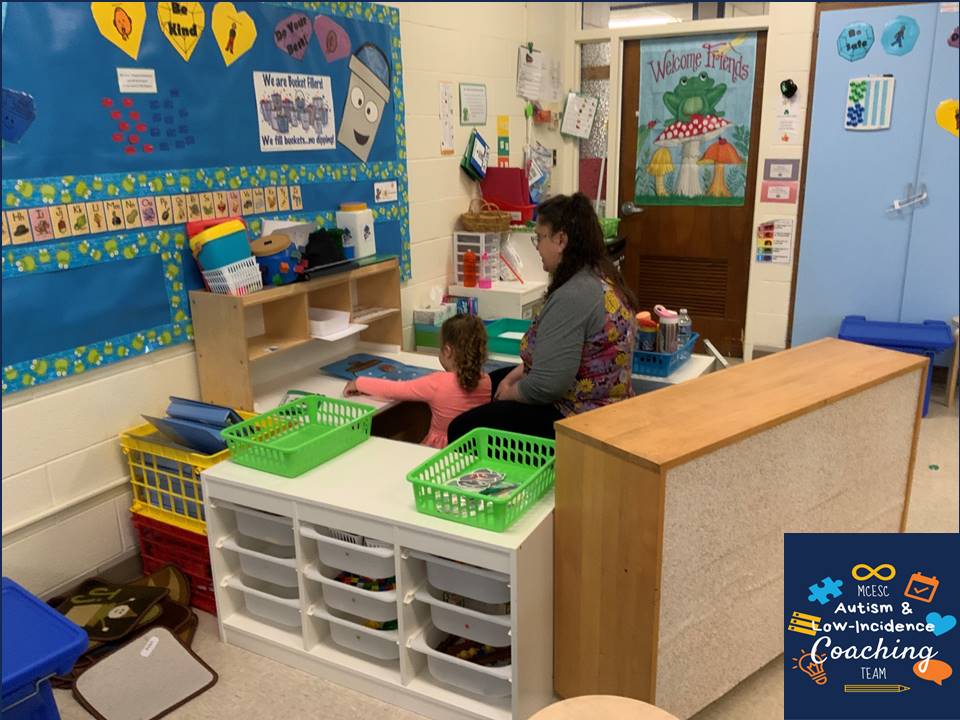
  • The first goal was to create a space that provided clear visual and physical boundaries. A wide open space makes joint attention a challenge. Help to narrow the area the student is attending to at the moment using visual screens or strategically placed furniture. A cube chair provided physical boundaries. 
Lisa Turner & Katie Mlod
Mad River ECC, Mad River


  • Once this was established, the team focused on teaching the student to take the item placed in front of him, and instead of throwing it across the room, to place it in a bin. 
Denise Campbell
Mad River ECC, Mad River

  • Soon the student learned to pull a picture off Velcro and put it in a bin. Only one picture was on the page so it was an errorless task.

  • After practicing this basic skills in a structured environment, the student was able to participate during the preschool morning circle using an interactive circle time book.
Miranda Riggs
Mad River ECC, Mad River


Here are some other examples of strategies to support joint attention during instruction:

  • Use furniture to create physical boundaries 

Debi Gnau
Mad River ECC, Mad River

  • Use a bead box or pillbox to provide small edible treats for task completion. The student can match letters, numbers, or words to get a treat. These small edible reinforcers can allow quick and frequent reinforcement of those challenging or non-preferred tasks.
Debi Gnau
Mad River ECC, Mad River


  • Incorporate a fun anticipatory game to gain joint attention during instruction. For example, if using Pop-up Pirate or Jumping Jack (pictured below), the student gets to put in a sword or pull out a carrot for each small task. The anticipation of something popping unexpectedly may keep them engaged. 
Beth Young
Snyder Park Elementary, Springfield


  • Add personal interest information to assignments such as worksheets, taskboxes, or other activities
Dixie Middle School, New Lebanon

Michelle Barnhart
Bell Creek Intermediate, Bellbrook-Sugarcreek

Michelle Wade
Northridge Elementary, Northridge

Tim Cundiff
Greenville High School, Greenville


  • Prior to or during  instruction, gain joint attention through face-to-face physical interaction with  high-fives or these classic hand games: Patty Cake, Say Say Oh Playmate, Hand Slap


 Check out this article with more ideas and video examples:

 Care.com 8 Easy Hand Games for Kids


  • During whole group instruction or passive listening, provide instructional visuals for the student to manipulate.  
Rose Jepson
Northridge Elementary, Northridge

Makayla Barbar
Mad River ECC, Mad River

Genevieve Harvey
Walter Shade ECC, West Carrollton

Angie Whip
Northwestern Preschool, Northwestern

Amy Beanblossom
Arcanum-Butler, Arcanum


  • For non-speaking students, it is important to provide communication supports so that they have needed vocabulary readily available to engage in the activity. 
Emily Ottmar
Stevenson Elementary, Mad River


  • During instruction, use a pointer or light to direct the learner’s gaze to the target.

Try some of these strategies with your hard to engage student. It may take multiple tries before a strategy becomes effective. Keep in mind that what works for one learner may not work for all. And finally, always remember your foundation for joint attention: regulation, motivation, and basic self-management.

Tuesday, December 19, 2023

Communication Corner: Modeling and Facilitating Core Words Across the Day

Teaching core words is an important step in developing functional communication. When we go out into districts we see so many ways to model and facilitate the use of core words in natural ways. The adults should model the use of core words all the time in order for students to learn functional use of the words. 


In today's Communication Corner we will highlight ideas for Modeling and Facilitating Core Words Across the Day. 


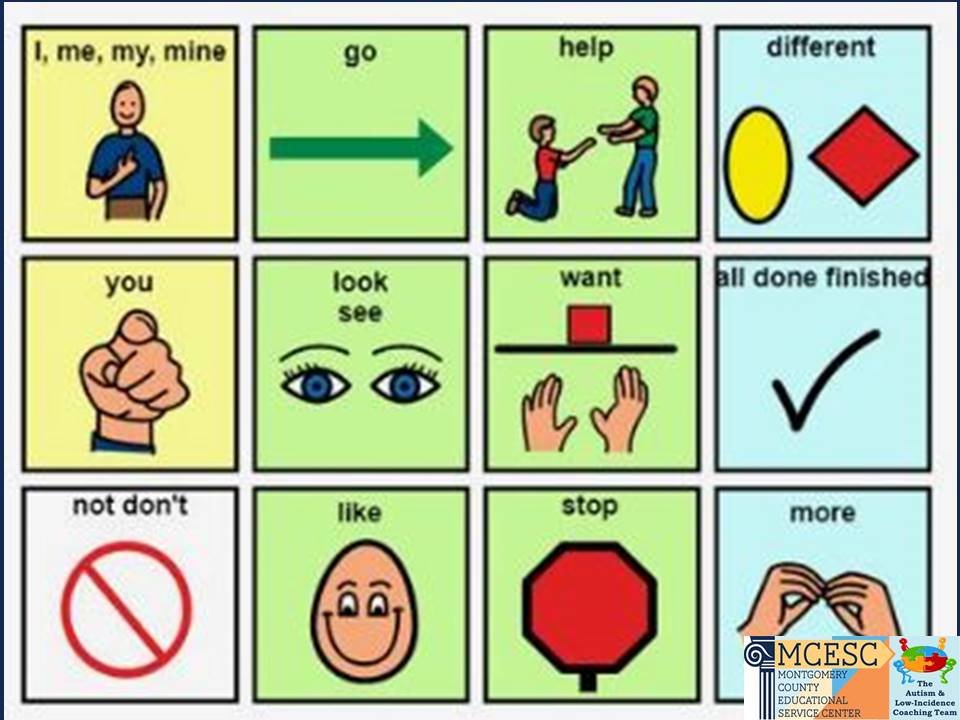
Provide access to core words in the classroom with core word boards posted on the walls in key locations of the room.

Laura Windholtz
Learning Center West, MCESC


Lisa Turner
Mad River ECC, Mad River

Carla Bryant
Miamisburg

Maddie Boyd
Park Layne Elementary, Tecumseh


Directly teach new words and provide ample opportunities for practice. 

Heather Clark
Saville Elementary, Mad River

Ann-Marie Small
Driscoll Elementary, Centerville


Provide access to core words on the go!

Laura Windholtz
Learning Center West, MCESC


 Provide access to core words on the playground.


Jessica Wright
Smith Elementary, Oakwood

Jessica Wright
Smith Elementary, Oakwood

If a student is going to be using a communication device but does not always have access to it,  print and laminate a copy of the core home page to provide easy access in the classroom and on the go. You can take a picture of the home page or find it online. This way the student can practice using the same pictures in the same locations as they will on their device.


Post reminders for the staff to model and facilitate target words.


Laura Windholtz
Learning Center West, MCESC

Laura Windholtz
Learning Center West, MCESC


Laura Windholtz
Learning Center West, MCESC


Taylor Ruef
Stevenson Elementary, Mad River

Ann-Marie Small
Driscoll Elementary, Centerville


If you need to expand the core board or add fringe words, consider creating a flipbook.


Carla Bryant
Miamisburg

Carla Bryant
Miamisburg


You can also add fringe words by posting choice boards in key locations of the room.


Michelle Wade
Northridge Elementary, Northridge


If you have a static display voice output device such as a Go Talk or Tech Speak you can create a core page and have a section where you can insert different fringe words as needed. This way the core words are always in the same location. This Tech Speak overlay was created to practice core words during fun interactive activities such as playing with blocks or blowing up and letting go of a balloon.


How do you model and practice functional use of core words in your classroom? Visit our Communication Corner blog on Core Words for more ideas! 

Communication Corner: Core Words